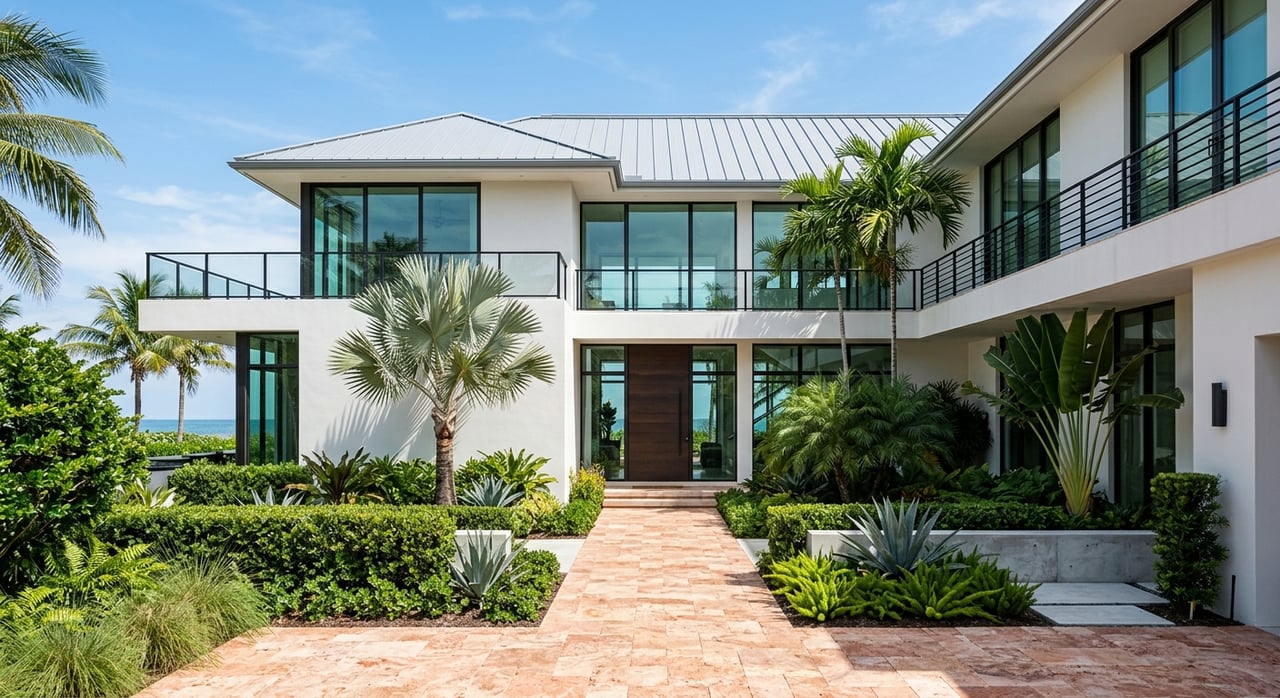
Tarpon Point Marina Living: What Buyers Should Consider
Marina living can look effortless from the outside, but the right fit depends on more than a great water view. If you are considering buying in Tarpon Point, you are likely weighing boating access, resort-style amenities, rental flexibility, and the long-term costs that come with a waterfront property. This guide will help you sort through the details that matter most so you can buy with more clarity and confidence. Let’s dive in.
Tarpon Point is a gated waterfront community in southwest Cape Coral with a mix of high-rise condominiums, single-family homes, estate homes, and villas. It sits on the Caloosahatchee River, about three miles by boat from the Gulf, and roughly 20 miles from Southwest Florida International Airport. For buyers who want a boating-focused lifestyle with strong convenience, that combination is a major draw.
The community is also designed around daily ease. Tarpon Point highlights direct access to the marina, on-site dining and shopping, hotel-resort services, and a walkable layout that supports a true live-work-play rhythm. If you are shopping for a second home or seasonal residence, that built-in convenience can be just as important as the home itself.
One of the first things to understand is that Tarpon Point is not a one-format community. You will find three waterfront condominium towers along with villas, single-family homes, and estate properties. That range gives buyers more lifestyle options, but it also means ownership rules and fees may vary depending on the exact property.
Tarpon Point Estates is a separate private waterfront HOA within the broader community. According to the association, it includes 47 oversized lots, with 27 direct gulf-access homesites, 15 lakefront lots, and five preserve lots. If you are comparing condos versus estate lots, the ownership experience may be very different even though both are inside Tarpon Point.
For many buyers, the marina is the headline feature. Tarpon Point states that the marina has 225 slips, basin depths of 8 to 12 feet, and accommodations for boats up to 75 feet, with special accommodations up to 125 feet. It also offers fuel, pump-out service, restaurant dockage, a beach shuttle, and sunset and dolphin cruises.
That said, it is smart to move past the brochure and ask practical questions early. A marina-centered community only works well if your vessel, boating habits, and storage expectations line up with the actual dock setup. Before you buy, confirm whether a dock or slip is deeded, assigned, or subject to a waitlist.
Tarpon Point’s marina rules place limits on how the basin can be used. Live-aboards are prohibited, and barbecues, swimming, and fishing in the basin are not allowed. The marina also limits speed to 5 mph.
Another detail worth noting is that at least 90 percent of berths are made available to the general public. For some buyers, that active marina environment is a plus because it supports services and energy. For others, especially those seeking a quieter owner-only dock setting, it may be something to weigh carefully.
Tarpon Point is strongly amenity-driven, and that shapes daily life in a meaningful way. Community amenities include an Olympic-sized lap pool, a resort-style pool, a heated spa, a fitness center of more than 3,500 square feet, steam rooms, a sauna, two tennis courts, a jogging path, bocce, and access to a nearby nature reserve. If you want your home base to feel like a coastal retreat, these features can add real value.
The Westin Cape Coral Resort at Marina Village is also integrated into the community. The resort includes 263 guest accommodations, waterfront dining, spa and salon access, shops, and 25,000 square feet of event space. For buyers who often host friends and family, that hotel-resort layer can make Tarpon Point especially convenient.
Based on the community’s published amenities and lifestyle messaging, Tarpon Point tends to appeal to buyers who want a polished, self-contained waterfront setting. That can include seasonal owners, second-home buyers, and boaters who want dining, marina access, and social activity close at hand. If your ideal routine includes walking to the marina, heading out by boat, and ending the day with dinner nearby, Tarpon Point lines up well with that vision.
One of the biggest buyer mistakes in a community like Tarpon Point is assuming every property follows the same rules. In reality, Tarpon Point has layered governance. The broader community includes the Tarpon Point Property Owners' Association, while areas such as Tarpon Point Estates and Tarpon Landings have their own governing framework.
That means your due diligence should focus on the exact building, unit, or lot you are considering. Monthly fees, amenity access, rental rules, approval requirements, and use restrictions can differ from one sub-association to another. In a marina community, those details can directly affect both lifestyle and carrying costs.
Before you commit, ask for clear answers to these points:
If you are considering part-time use with rental income, Tarpon Point requires extra care. The community may have rental appeal, but your flexibility will depend more on the specific sub-association than on the city’s baseline rules. That is especially important for buyers looking at condos.
For example, Tarpon Landings publishes a rental guide that requires a minimum one-month lease, association approval, and tenant background checks. It also states that owners give up pool and clubhouse privileges while a unit is rented, and no lease can be shorter than 30 days. Rules like these can materially shape how often you rent and how you use the property yourself.
City rules now matter too. Cape Coral requires annual rental registration for all residential rentals effective January 1, 2026. The city sets the annual fee at $350 for short-term rentals, defined as six months or less, and $35 for long-term rentals.
For buyers planning to rent, this means the property should be evaluated from two angles at once. First, confirm what the city requires. Second, and often more important in Tarpon Point, confirm what the sub-association allows.
Buyers often compare Tarpon Point with Cape Harbour because both offer upscale waterfront living in Cape Coral. Cape Harbour is also a gulf-access community with luxury condos, townhomes, single-family homes, restaurants, shops, entertainment, and a full-service marina. It is one of the closest like-for-like alternatives in the area.
The difference is usually about atmosphere. Cape Harbour presents a more commercial and event-driven marina village with multiple dining and retail options around the water. Tarpon Point tends to feel more gated, polished, and resort-oriented, with the hotel and residential components creating a more self-contained experience.
If you want a private-feeling waterfront community with resort amenities and a refined marina backdrop, Tarpon Point may feel like the better match. If you prefer a busier marina district with more public energy around restaurants and retail, Cape Harbour may be worth a closer look. Neither is universally better. The right choice depends on how you want your day-to-day waterfront lifestyle to feel.
Waterfront ownership is about more than the purchase price. In Tarpon Point, your total carrying cost may include association dues, possible marina or dock fees, insurance, and property-specific maintenance. Those numbers can vary significantly depending on whether you are buying a condo, villa, or estate property.
Storm, wind, and flood insurance should also be part of your planning from the beginning. Even when two homes are close together, insurance costs can differ based on elevation, structure type, and exposure. A full cost review can help you avoid surprises after closing.
When you narrow down a property, it helps to use a simple checklist so no detail gets missed. In a layered waterfront community, small rule differences can have a big impact on how you use the property.
Review these items before moving forward:
Tarpon Point offers a compelling version of Cape Coral marina living, especially if you value boating access, resort-style amenities, and a polished waterfront setting. The key is making sure the specific property matches the way you plan to live, use, and possibly rent it. If you want experienced local guidance as you compare options in Tarpon Point and across Cape Coral’s waterfront communities, McMurray & Members is here to help.

A Clear Guide to Real Estate Contingencies for Fort Myers Buyers and Sellers.

A Clear Guide to the Home Inspection Process for Fort Myers Buyers.

Your Ultimate Guide to Weekend Fun Near Fort Myers, Florida.

Smart Strategies for a Winning Offer in a Competitive Market.

You will appreciate working with a team who is more like an extended family, one that takes care of each other and encourages success. Plus, we are backed by the strength of Royal Shell.