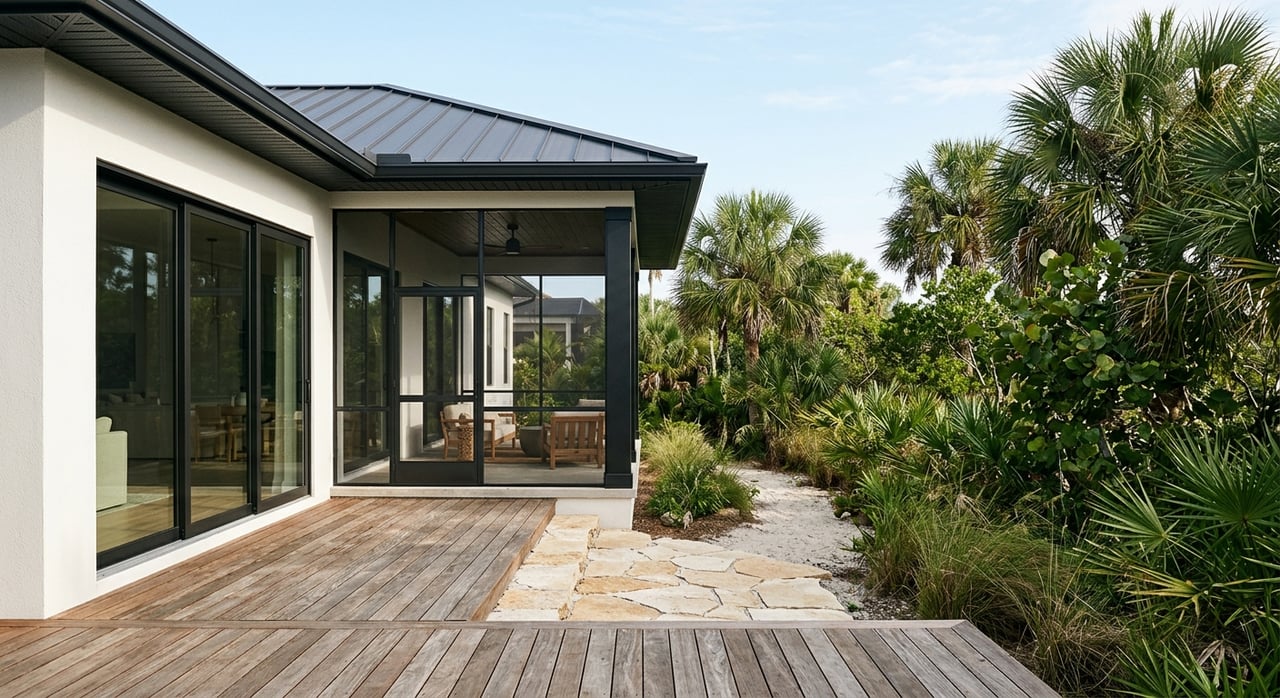
Living Close To Nature On Sanibel Island
If your ideal day starts with a bike ride, includes a beach walk or paddle, and ends with a sunset shaped by protected shoreline, Sanibel deserves a closer look. For many buyers, the appeal here is not just living near nature. It is living in a place where nature helps define how you move through the day. If you are considering a home on the island, understanding how conservation, access, and location work together can help you find the right fit. Let’s dive in.
Sanibel is unusually intentional about protecting its natural setting. The city’s long-range planning centers on conservation, hurricanes, traffic, overdevelopment, native habitat, and sea-level rise. That gives you a useful starting point as a buyer because it shows that preservation is not a side feature here. It is part of how the island plans for its future.
That commitment also shows up in the land itself. According to SCCF, about 70% of Sanibel is protected as conservation land. In real life, that means open space, habitat protection, and a more nature-centered rhythm than you find in many coastal markets.
One of the most practical parts of nature living on Sanibel is how easy it can be to build a car-light routine. The city says its shared-use path system was designed as a safe way to get around without using a car, and the network now stretches more than 26 miles from Lighthouse Beach Park to Blind Pass Bridge.
For you as a homeowner, that can change daily life in meaningful ways. A bike ride may become your route to the beach, a preserve trail, or a casual errand along Periwinkle Way. On Sanibel, outdoor access is not limited to weekend recreation. It can become part of your normal routine.
J.N. Ding Darling National Wildlife Refuge is one of Sanibel’s defining natural assets. The refuge spans more than 6,470 acres and includes mangrove forest, seagrass beds, marshes, and hardwood hammocks. It supports more than 245 bird species, making it a major draw for birders, photographers, and anyone who values protected habitat close to home.
The refuge also offers several ways to explore. You can drive, bike, or walk the 4-mile Wildlife Drive, use one of the walking trails, or launch from one of the canoe access points. Tarpon Bay Explorers, the official concessionaire, offers kayaking, paddleboarding, and tram tours.
There are a few important access details to keep in mind. The refuge is open sunrise to sunset, and the Wildlife Drive, visitor center, nature store, and Indigo Trail are closed on Fridays. If regular refuge access matters to your lifestyle, it helps to understand those patterns before you buy.
Beyond the refuge, SCCF’s preserve system expands the island’s nature network in a more neighborhood-scale way. SCCF says its public preserves offer more than 6 miles of trails, with more than 8 miles across all preserve lands. Some of those trails connect with the city path system and the refuge for more than 10 miles of connected trail.
This matters because it gives you multiple ways to enjoy the island without always driving to a destination. Trails like Periwinkle Preserve Trail, Sanibel Gardens Preserve Trail, and Frannie’s Preserve Trail can connect outdoor time more directly to where you live.
Not every trail works the same way, though. Some allow bikes and dogs, while others are foot-traffic only to protect sensitive habitat. That balance is a big part of the Sanibel experience: strong public access, paired with clear limits where wildlife needs protection.
Sanibel’s beach parks are another major part of living close to nature. The city maintains seven beach parks, giving residents several public ways to enjoy the shoreline across different parts of the island. Depending on where you live, your closest beach experience may feel quite different from one area to another.
Lighthouse Beach Park sits at the eastern tip of the island and includes beach access, a boardwalk, and bay-side kayaking and paddleboarding. Bowman’s Beach Park on the western end is known for scenic walks, shelling, and wildlife viewing. Blind Pass Beach Park, near the northwest tip by Captiva, also stands out for a more scenic and nature-focused setting.
Central options matter too. Tarpon Bay Road Beach Park and Gulfside City Beach Park provide year-round beach access in the middle of the island. For paddlers, the Sanibel Boat Ramp near the island entrance also accommodates kayaks and paddleboards.
The right area depends on how you want nature to show up in your routine. On Sanibel, that usually means looking beyond the home itself and thinking about paths, preserves, beach access, and paddling opportunities.
The east end, including the Lighthouse and Periwinkle area, is a strong fit if you want easy access to the shared-use path and bay-side recreation. The path system runs along Periwinkle Way and reaches Lighthouse Beach Park, which adds boardwalk access and paddling on the bay side.
If you picture morning rides, quick beach trips, and simple outdoor access close to home, this area is worth a close look. It can support a daily lifestyle that feels active without feeling complicated.
The central part of the island, including the Periwinkle, Tarpon Bay, and Island Inn corridor, often appeals to buyers who want a balance of biking, preserve access, and low-key beach time. SCCF trail access points in this area include Sanibel Community Park, Tarpon Bay Road, Island Inn Road, and Periwinkle Way.
This part of the island can make it easier to mix and match your outdoor routine. You may be close to a preserve trail one day and a central beach park the next, with the shared-use path tying much of it together.
The west end, around Bowman’s Beach and Blind Pass, is often the strongest match for buyers who want a quieter, more wildlife-centered backdrop. Bowman’s includes a scenic walk over Clam Bayou, while Blind Pass sits at the pass between Sanibel and Captiva.
This side of the island also benefits from its proximity to Ding Darling’s Wildlife Drive and refuge waters. If birding, paddling, shelling, and a more immersive natural setting sit high on your list, the west end can be especially appealing.
On Sanibel, the natural setting does more than add beauty. It also shapes what gets built, how lots are maintained, and what due diligence matters most.
The city says proposed development is reviewed through federal, state, and local floodplain rules. Its land-development code also requires native species in landscaping, limits native vegetation removal, and prohibits exotic species. If you are comparing properties, especially near the shoreline or in sensitive areas, those rules can affect both current use and future plans.
The city also uses the coastal construction control line to define the Gulf Beach Zone and limit construction too close to the water. For buyers considering beachfront or near-shore property, this makes site-specific review especially important. A home’s location, lot conditions, and regulatory context can all shape what is possible over time.
Living close to nature on Sanibel does not mean unlimited access everywhere. In fact, one reason the island feels so preserved is that access is managed carefully. Some preserve lands are closed to the public, some trails have use restrictions, and certain areas operate on sunrise-to-sunset schedules or specific closure days.
That is not a drawback for most buyers who love Sanibel. It is part of the tradeoff that helps protect the landscapes people come here to enjoy. Knowing that upfront can help set realistic expectations and guide your home search toward the access patterns that fit you best.
Another practical point for buyers and sellers is that some beach and launch facilities remain in recovery work after recent hurricanes. That means trail access, parking, and beach amenities should be treated as current operational details, not assumptions.
If a specific launch, park feature, or beach access point is part of your decision, it is smart to verify what is open and how it functions today. On an island market like Sanibel, details on the ground can matter just as much as a map.
Sanibel rewards buyers who look closely at location nuance. Two homes may both offer island living, but one may place you closer to paddling, trails, and bike routes, while another may be better suited for beach walks, wildlife viewing, or a quieter setting.
That is where experienced local guidance can make a real difference. When you understand how conservation patterns, beach access, path connectivity, and property rules intersect, you can make a more confident decision about both lifestyle and long-term fit.
If you are exploring Sanibel and want help narrowing the right area, property type, or nature-oriented lifestyle match, McMurray & Members can help you evaluate the details that matter most.

A Clear Guide to Real Estate Contingencies for Fort Myers Buyers and Sellers.

A Clear Guide to the Home Inspection Process for Fort Myers Buyers.

Your Ultimate Guide to Weekend Fun Near Fort Myers, Florida.

Smart Strategies for a Winning Offer in a Competitive Market.

You will appreciate working with a team who is more like an extended family, one that takes care of each other and encourages success. Plus, we are backed by the strength of Royal Shell.