Downtown Fort Myers Condos vs Suburban Waterfront Homes
Wondering whether life in Fort Myers looks better from a downtown condo balcony or a backyard along the water? It is a smart question, especially in a market where lifestyle, maintenance, access, and long-term costs can vary quite a bit from one property type to the next. If you are comparing the River District with suburban waterfront areas, this guide will help you weigh convenience, space, boating access, insurance, and ownership responsibilities so you can choose the fit that matches how you actually want to live. Let’s dive in.
At a high level, downtown Fort Myers condos and suburban waterfront homes offer two very different daily experiences. Downtown usually leans toward convenience, walkability, and shared-building living, while suburban waterfront homes tend to offer more space, privacy, and direct control over the property.
That tradeoff is especially clear in Fort Myers. The River District is the city’s historic mixed-use waterfront core, and the city’s Downtown Redevelopment Area Plan focuses on mobility, flood and storm resiliency, mixed-use development, sidewalks, bike routes, and expanded waterfront access. Outside downtown, some areas are more auto-oriented, which helps explain why a waterfront house can feel more private and spacious but less walkable.
For many buyers, a downtown condo works because it simplifies day-to-day living. Instead of managing a full exterior, yard, or private shoreline, you are typically responsible for the interior of your unit while the association handles common elements and many building-wide responsibilities.
That can be especially appealing if you want a lock-and-leave setup for seasonal use or if you simply prefer less exterior upkeep. It also gives you a lifestyle that feels more walk-first than many parts of Southwest Florida.
Downtown Fort Myers stands out because it offers a more connected environment than many surrounding areas. The city has focused on sidewalks, bike routes, and waterfront access, which supports a more pedestrian-friendly experience in the River District.
Parking also adds to that convenience. The city currently offers free on-street downtown parking all weekend and after 5 p.m. on weekdays, and the downtown garages have a temporary promotion with two free hours through October 31, 2026. If you enjoy dining, events, and riverfront outings without planning every trip around a long drive, that can be a real plus.
A condo can reduce the amount of hands-on property care you manage yourself, but that does not mean less due diligence. In Florida, condominium associations have authority over common elements and are responsible for maintaining, repairing, and replacing them under Chapter 718.
For buildings that are three habitable stories or higher, the law also requires a Structural Integrity Reserve Study at least every 10 years. For some older associations, there are key deadlines tied to December 31, 2025 and December 31, 2026. That means when you buy a condo, you are not only buying the unit. You are also buying into the building’s financial planning and maintenance history.
If your goal is to enjoy the water without necessarily needing a private dock, downtown has meaningful public access. Centennial Park on the Caloosahatchee includes boat docks, a fishing pier, and a launching ramp, and the city’s recreation planning supports more waterfront walkways, piers, ramps, and bike connections.
That is an important distinction. A downtown condo may not give you the same private boating setup as a canal-front or riverfront house, but it can still support a strong waterfront lifestyle centered on access and activity.
Condo ownership can be a strong fit, but you need to review more than the finishes inside the unit. The health of the association, the building’s records, and the insurance structure all matter.
The Florida Department of Business and Professional Regulation says structural inspection reports and reserve studies are part of the association’s official records and must be provided to potential purchasers. That makes document review a core part of the buying process, especially in older downtown buildings.
A condo buyer in Florida usually needs more than the association’s master policy. The Florida Chief Financial Officer explains that a condominium unit-owner policy, often called an HO-6 policy, generally covers your personal property and liability and also includes loss-assessment coverage.
State law requires at least $2,000 in loss-assessment coverage with a deductible no greater than $250. The same law says the unit owner’s policy is excess over other available coverage on the same property. In simple terms, you should understand exactly where the association’s coverage stops and where your own policy needs to begin.
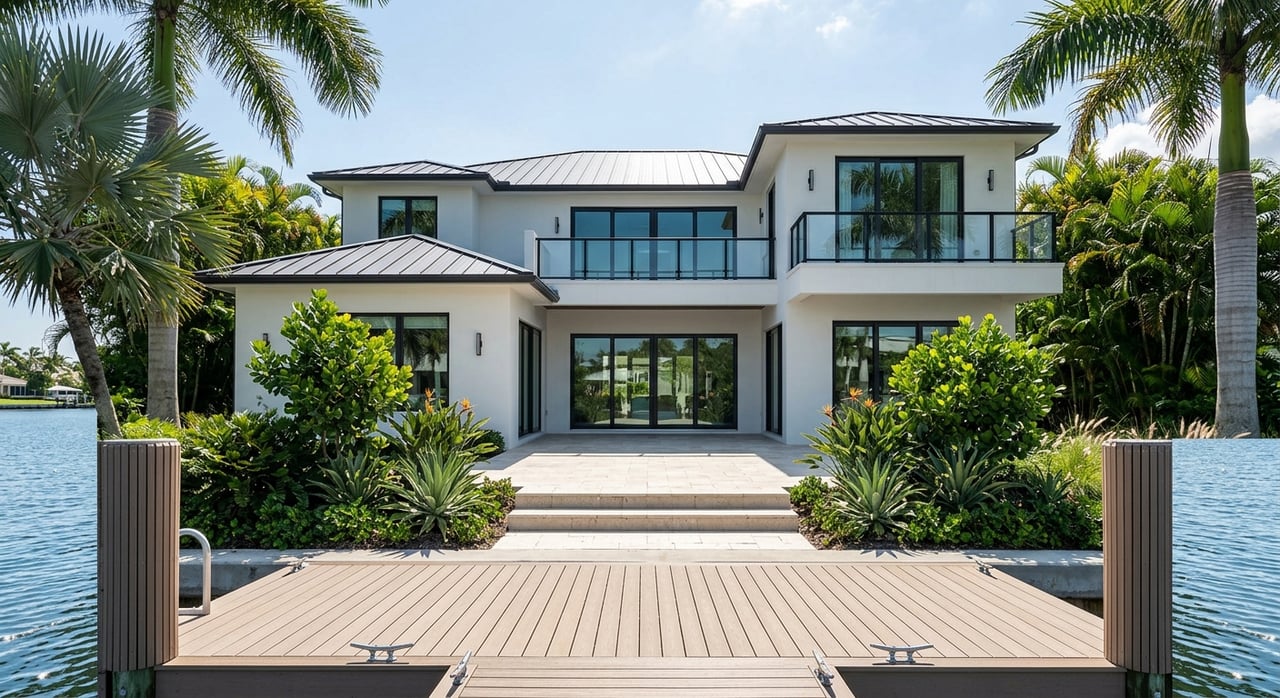
If your ideal Fort Myers property includes more room to spread out, more privacy, or a stronger connection to boating, a suburban waterfront home may feel like the better match. Detached homes usually give you more control over the lot, exterior spaces, and how the property functions day to day.
That extra control is a major reason buyers are drawn to canal-front, riverfront, and other water-adjacent homes. You may have more freedom for outdoor living, storage, and direct-use features that matter for a boating-focused lifestyle.
A detached home generally gives you more individualized ownership than a condo. The city’s future land use planning allows water-enhanced residential use in shoreline locations, which supports the appeal of homes designed around direct water living.
That can mean more emphasis on a lanai, yard, dock potential, or a layout built around indoor-outdoor use. If you want the property to feel like your own private base rather than part of a shared building, a house often delivers that more clearly.
For many waterfront-home buyers, the big question is not just whether they are near water. It is whether the property supports the kind of access they want. That may include space for a dock, a lift, or practical canal or river access.
Even when private access is limited, regional public boating infrastructure still matters. Lee County’s Punta Rassa Boat Ramp is open 24 hours and includes a boat ramp, fishing, paddlecraft launch, and pier or dock amenities. So when comparing properties, it helps to think beyond the view and focus on how you will actually use the water.
The tradeoff for that extra space is often mobility. Outside downtown, daily life can be more car-dependent, and city planning documents for East Fort Myers describe auto-oriented corridors with incomplete sidewalks and some bus service rather than a highly walkable street grid.
That does not make suburban waterfront living less desirable. It simply means your routines may rely more on driving, whether you are heading to dining, shopping, the marina, or everyday errands.
A waterfront house gives you more freedom, but it also puts more responsibility directly on you. The biggest issues to evaluate are often flood exposure, insurance requirements, and the practical realities of long-term water adjacency.
Unlike condos, detached single-family homes are not automatically subject to the same Chapter 718 reserve-study rules. That can mean fewer association-driven oversight requirements, but it also means you need to be even more intentional about property-level due diligence.
In Lee County, flood zones affect both flood-insurance premiums and construction standards. Special Flood Hazard Areas begin with A or V zones, and Lee County says federally backed mortgages generally require flood insurance for buildings in those areas.
That makes flood-zone verification one of the most important early steps in your search. Two properties with similar views and similar asking prices can carry very different long-term costs depending on flood exposure.
In many markets, condos offer a lower entry price than detached homes, and recent Florida data supports that pattern. In March 2026, Florida Realtors reported a statewide median sale price of $420,000 for single-family homes and $315,000 for condo-townhouse units.
That does not mean every downtown condo is cheaper than every suburban waterfront house, especially in sought-after waterfront locations. It does mean the ownership structure often lines up with a different cost profile, both at purchase and over time.
With condos, you may trade some purchase-price flexibility for association dues, reserve obligations, and building-specific risk. With detached waterfront homes, you may gain more control but take on more direct exposure to flood-related costs, exterior maintenance, and shoreline-related expenses.
The right choice usually comes down to how you want to live, not just what looks best in photos. Fort Myers offers both a lively waterfront downtown experience and a more private suburban water-oriented lifestyle, but they serve different priorities.
A downtown condo may fit you well if you want:
A suburban waterfront home may fit you well if you want:
Downtown Fort Myers condos usually win on convenience, walkability, and simpler day-to-day maintenance. Suburban waterfront homes usually win on space, privacy, and a more direct water-focused lifestyle.
The most important long-term questions are not just about price or views. They are about association rules, reserve health, flood exposure, mobility, and how much control you want over the property itself. When you match those factors to your real lifestyle goals, the right choice becomes much clearer.
If you are weighing Fort Myers condos against waterfront homes and want local guidance grounded in real waterfront experience, McMurray & Members can help you compare the details that matter and find the property that fits your next chapter.

A Clear Guide to Real Estate Contingencies for Fort Myers Buyers and Sellers.

A Clear Guide to the Home Inspection Process for Fort Myers Buyers.

Your Ultimate Guide to Weekend Fun Near Fort Myers, Florida.

Smart Strategies for a Winning Offer in a Competitive Market.

You will appreciate working with a team who is more like an extended family, one that takes care of each other and encourages success. Plus, we are backed by the strength of Royal Shell.