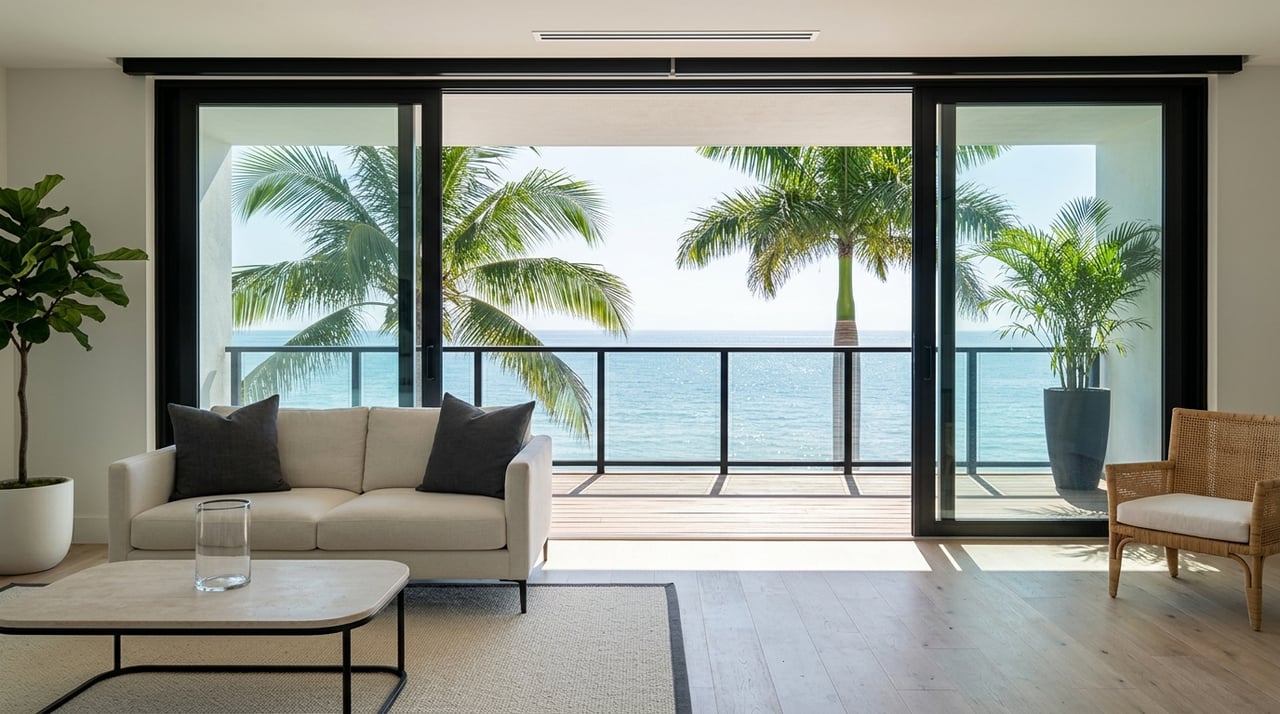
Captiva Island Vacation Rentals: A Guide For Second-Home Buyers
Wondering whether a Captiva second home can also work as a vacation rental? You are not alone. Many buyers love the idea of enjoying island time for part of the year while creating rental income potential the rest of the time, but Captiva is a market where details matter. From beach access and property type to licensing, taxes, and storm readiness, the right purchase depends on more than a pretty view. This guide will help you think through the big questions so you can buy with more clarity and confidence. Let’s dive in.
Captiva is not a typical beach market. It is a barrier island in Lee County with a long-established pattern of low-density residential uses, minor commercial areas, and resort development. That planning context helps explain why the island feels more private, relaxed, and beach-oriented than a denser coastal destination.
For second-home buyers, that matters because the island experience is part of the rental appeal. Official tourism materials highlight Captiva’s beaches, village atmosphere, Andy Rosse Lane, dining, shops, Gulf-front lodging, and water-based activities. When guests choose Captiva, they are often choosing a specific kind of coastal stay that feels walkable, scenic, and closely tied to the water.
There is also meaningful countywide tourism demand behind the market. Lee County’s 2025 visitor study reported 3.32 million visitors, 4.74 million room nights, 56.2 percent occupancy, and $3.31 billion in visitor spending. The same study found that 19 percent of visitors used Airbnb or Vrbo-type sites when planning trips, which is a useful reminder that online presentation and booking appeal can strongly affect rental performance.
On Captiva, convenience to the beach can shape the guest experience in a very real way. Lee County identifies several beach-access points, including Alison Hagerup Beach Park, Turner Beach, and Andy Rosse Lane Park, each with different parking conditions and access features. A property that makes it easy for guests to get to the sand can have a practical advantage.
If you are comparing properties, think beyond the listing photos. Ask how long the walk feels with chairs, towels, and coolers. Also consider whether the property’s location supports a simple beach day without parking hassles or extra logistics.
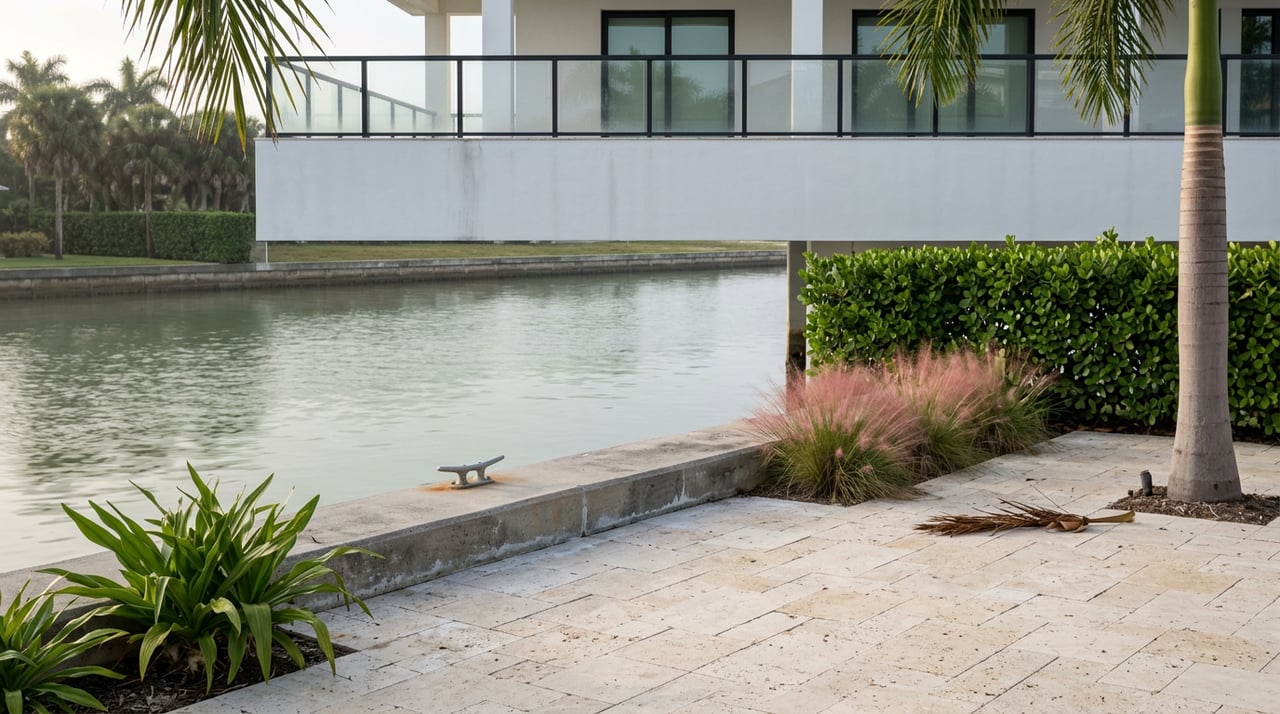
Captiva’s appeal goes beyond the beach itself. The island’s setting near Pine Island Sound and surrounding waters supports boating, kayaking, canoeing, and a broader outdoor lifestyle that many guests actively seek out. Gulf views, water access, pools, and usable outdoor living space can all strengthen a property’s rental appeal.
Lee County’s long history of beach nourishment on Captiva also shows how important shoreline maintenance is to the island’s visitor economy. For a buyer, that is another reminder that water-oriented features are not just lifestyle perks. They are central to how many guests evaluate a stay.
Captiva’s planning framework emphasizes island character, low-density development, and preservation features such as tree canopy and dark-sky policies. That does not rank one property type over another, but it does help explain why many buyers and renters are drawn to homes, condos, and resort properties that feel tucked away and connected to the coastal environment.
In practical terms, guests often respond to properties that deliver a true island experience. A screened lanai, comfortable outdoor seating, tropical setting, and a layout that supports relaxed vacation living can all matter when your home is competing online.
A condo or resort-style unit can be appealing if you want a more structured ownership experience. Florida’s licensing framework specifically recognizes vacation rental condominiums as a category, and shared amenities may simplify the guest experience and some operational decisions.
This type of property can work well if your priority is ease of use, amenity access, and a setup that may feel familiar to vacation renters. You will still want to review association rules carefully, especially for rental minimums, guest policies, and any property-specific requirements.
A house can offer a different set of benefits. Florida also treats dwelling-type vacation rentals separately, including certain single-family and small multi-unit properties used as transient lodging. For many second-home buyers, a house may offer more privacy, more control over finishes, and more flexibility in how the home is used and presented.
That extra control can be valuable if you want to shape the guest experience in a more custom way. At the same time, a house may require more hands-on planning for maintenance, storm preparation, cleaning coordination, and turnover management.
If you plan to rent the property for short stays, you need to understand the licensing framework early. Florida’s Department of Business and Professional Regulation distinguishes between vacation rental condominiums and vacation rental dwellings. In general, if an entire unit is rented more than three times in a calendar year for stays of less than 30 days, or is advertised as regularly rented to guests, vacation-rental licensing usually comes into play.
That does not mean every property works the same way. The most important step is confirming how the specific property can be used. The Lee County Clerk notes that owners should verify rental permissibility directly with the HOA, condo association, or local government, since the Clerk’s office administers tourist tax rather than zoning or association rules.
Florida law also limits how local governments may regulate vacation rentals in some respects, while building and fire code enforcement still applies. For a buyer, the key takeaway is simple: never assume that a property’s location alone answers the rental question. Confirm the actual rules tied to that home or unit.
Short-term rentals in Captiva generally involve both county and state-level tax obligations. Lee County’s tourist development tax is 5 percent of gross rental receipts for transient stays, and the Lee County Clerk says homeowners must also collect Florida sales tax on those rentals.
Responsibility for registration and filing can depend on how the property is managed. If a dealer, property manager, or real estate company handles the rental, that party generally registers and remits the tourist tax. If you manage rentals directly, you are generally responsible for registration and remittance yourself.
You should also know that some online platforms may collect and remit tourist tax, but the Clerk advises owners to verify who is actually responsible for registration, reporting, and filing. This is one area where good paperwork and a clear management plan can save major headaches.
A beautiful property is only part of the equation. Vacation-rental success often comes down to how smoothly the home operates when you are not there.
Before you move forward, ask questions like these:
These questions are especially important for second-home buyers who live out of the area. A strong local support system can make ownership far easier and help protect both your property and your guest experience.
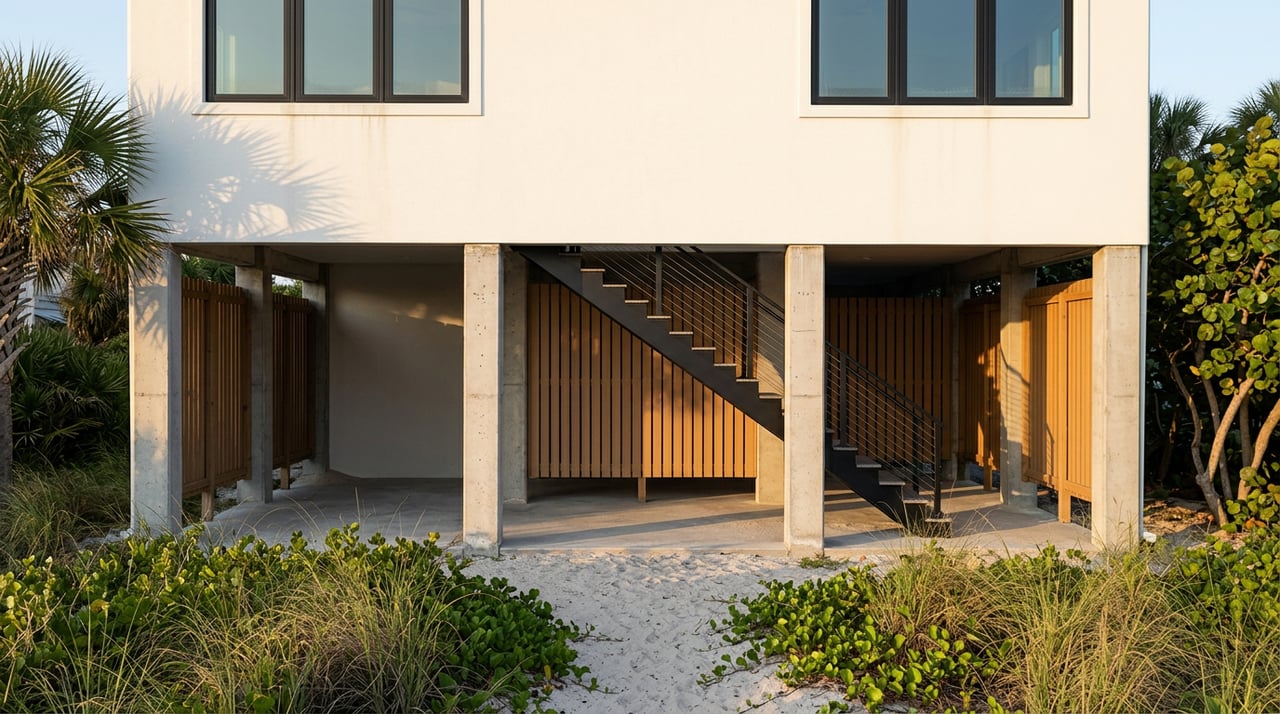
Captiva’s setting is part of its value, but it also creates real planning needs. Because this is a barrier-island market, buyers should evaluate flood insurance, wind insurance, evacuation zone status, and the practical demands of storm preparation.
Lee County advises residents to know their evacuation zone and notes that evacuations are zone-based. The county also says moving people in Lee County can take up to 41 hours, which is a strong reminder that hurricane readiness is not a minor issue for second-home owners.
When you review a property, think about how easy it will be to secure before a storm and reopen after one. Insurance costs, building requirements, and access during severe weather can all affect your ownership experience and your rental strategy.
As you narrow your options, focus on a few core decision points.
Captiva can be rewarding for second-home buyers, but it is not a market where broad advice works very well. Two homes with similar price points can offer very different rental potential depending on beach access, association rules, management setup, and storm-readiness factors.
That is why local insight matters so much. When you understand not just the home, but also the island’s planning context, rental structure, and operational realities, you are in a far better position to choose a property that fits your goals.
If you are exploring Captiva second homes and want clear guidance on waterfront, condo, resort, or investment-oriented opportunities, McMurray & Members can help you evaluate the details that matter most.

A Clear Guide to Real Estate Contingencies for Fort Myers Buyers and Sellers.
A Clear Guide to the Home Inspection Process for Fort Myers Buyers.

Your Ultimate Guide to Weekend Fun Near Fort Myers, Florida.

Smart Strategies for a Winning Offer in a Competitive Market.

You will appreciate working with a team who is more like an extended family, one that takes care of each other and encourages success. Plus, we are backed by the strength of Royal Shell.