What Everyday Life Feels Like On Captiva Island
If you are wondering whether Captiva Island feels like a vacation spot or a real place to settle into, the answer is a little of both. Life here moves at a quieter pace, with the beach, the water, and a small village core shaping the rhythm of each day. If you are picturing what it is actually like to live, stay, or spend long stretches of time on Captiva, this guide will help you understand the pace, routines, and housing feel that define the island. Let’s dive in.
Captiva is a secluded barrier island reached over Blind Pass from Sanibel, and that sense of separation shapes everyday life. Instead of a large commercial center, the island revolves around a compact set of familiar places, including the beach and the village area around Andy Rosse Lane.
That makes daily life feel intentional and simple. You are not usually rushing from one side of town to the other. More often, your day is built around a beach walk, a stop for lunch or dinner, and time spent outdoors.
Official local tourism materials describe Captiva with quiet mornings, shell-rich beaches, and sunset views. That picture lines up with the island’s identity as a calm, nature-centered place where the shoreline is part of normal daily life.
For many people, that means starting the day outside. A morning on Captiva can feel less like a checklist and more like a routine built around fresh air, water views, and a slower start.
One of Captiva’s defining traits is how compact it feels. You can walk Andy Rosse Lane to local restaurants, which helps create a village-scale atmosphere instead of a spread-out, car-dependent routine.
That smaller footprint shapes the social feel too. Over time, familiar spots become part of your week, and the island starts to feel less like a destination and more like a place with its own comfortable rhythm.
Captiva’s beach culture is relaxed, but it is not unstructured. At Alison Hagerup Beach Park, Lee County manages use with rules that help protect the shoreline and wildlife habitat.
The beach park is open from dawn to dusk, parking is paid, dogs are not allowed, and alcohol and open fires are prohibited. Visitors are also asked to keep music low and stay off dune vegetation, which reinforces that the beach is treated as a shared natural resource.
On Captiva, beach use is tied closely to stewardship. Lee County notes that parking proceeds support beach nourishment and wildlife habitat, which adds a practical layer to the island’s conservation-minded culture.
In everyday terms, that means the natural setting is not just scenery. It is something people are expected to respect, and that outlook influences how the island feels day to day.
On Captiva, the water is not something you only look at from a distance. Boating, paddling, fishing, and wildlife watching are part of the normal recreation pattern across the area.
Lee County identifies these waters as a boating destination and points residents and visitors to resources like its boater’s guide and the Great Calusa Blueway paddling trail, which runs from Pine Island Sound to Estero Bay. The county also notes local waters support dolphins, manatees, sea turtles, river otters, and fish.
The local recreation pattern supports a water-first lifestyle. South Seas adds marina dockage, fuel, bait, kayak and paddleboard access, fishing charters, eco-cruises, and nature tours, showing how built-in these activities are to the island experience.
For you, that can mean a very different kind of afternoon than you might have on the mainland. Instead of traffic and errands, the day may lean toward time on a boat, on a paddleboard, or simply near the water.
Captiva’s outdoor appeal is not about high-energy attractions. Official descriptions consistently point to shelling, beachcombing, sunset walks, and wildlife viewing as regular activities.
That creates a lifestyle that is active without feeling busy. You are still doing plenty, but the pace tends to feel grounded, scenic, and restorative.
Dinner plays a bigger role on Captiva than nightlife. The dining scene is compact but distinct, with a mix of beach pubs, bistros, and resort dining that helps anchor the island’s social life.
Local restaurant listings include places such as Keylime Bistro, RC Otter’s Island Eats, the Mucky Duck, and Old Captiva House. Several emphasize patios, live music, and sunset views, which suggests that evenings here are more about lingering than rushing.
Captiva’s social energy tends to be modest and repeatable rather than fast-paced. You are more likely to find people gathering over dinner, listening to live music, or meeting at a recurring local event than heading into a large entertainment district.
That smaller social scale is part of what many people find appealing. It keeps evenings easy, familiar, and closely tied to the island itself.
Captiva also has a community side that goes beyond beaches and restaurants. The Captiva Civic Association describes its mission as preserving the island’s quality of life, ambiance, and environmental integrity, and its calendar points to a steady flow of local gatherings.
Events listed by the association include Porch and Patio gatherings, Summer Wine, an art opening, yoga, qi gong, and mahjong. Together, those events suggest a social calendar built around smaller, recurring experiences rather than constant large-scale programming.
The seasonal Captiva Island Farmers Market, held on Tuesdays from November through April at the South Seas entrance, adds another regular touchpoint. It gives residents and visitors a weekly routine that feels local and easy to return to.
Captiva also sees occasional larger events, including the Island Hopper Songwriter Fest, which begins its 10-day run on Captiva before moving to other Lee County locations. Most of its shows are free, showing that the island can host lively events while still keeping its low-key identity.
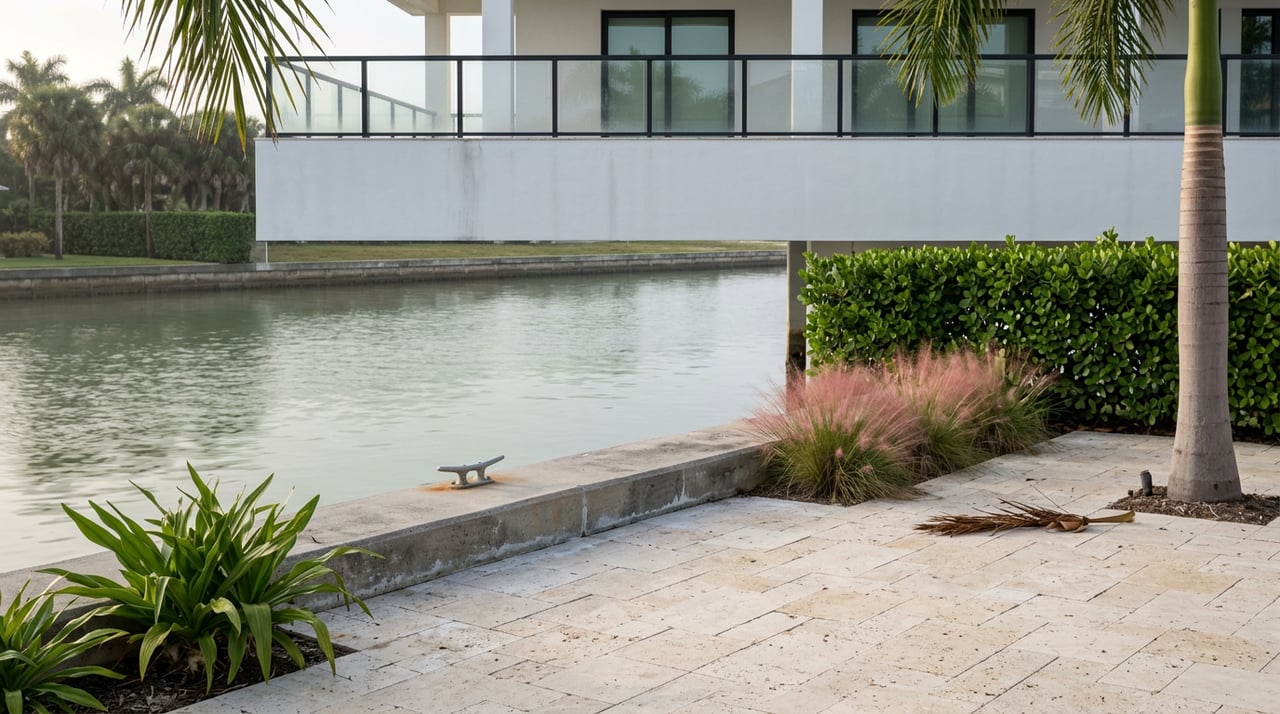
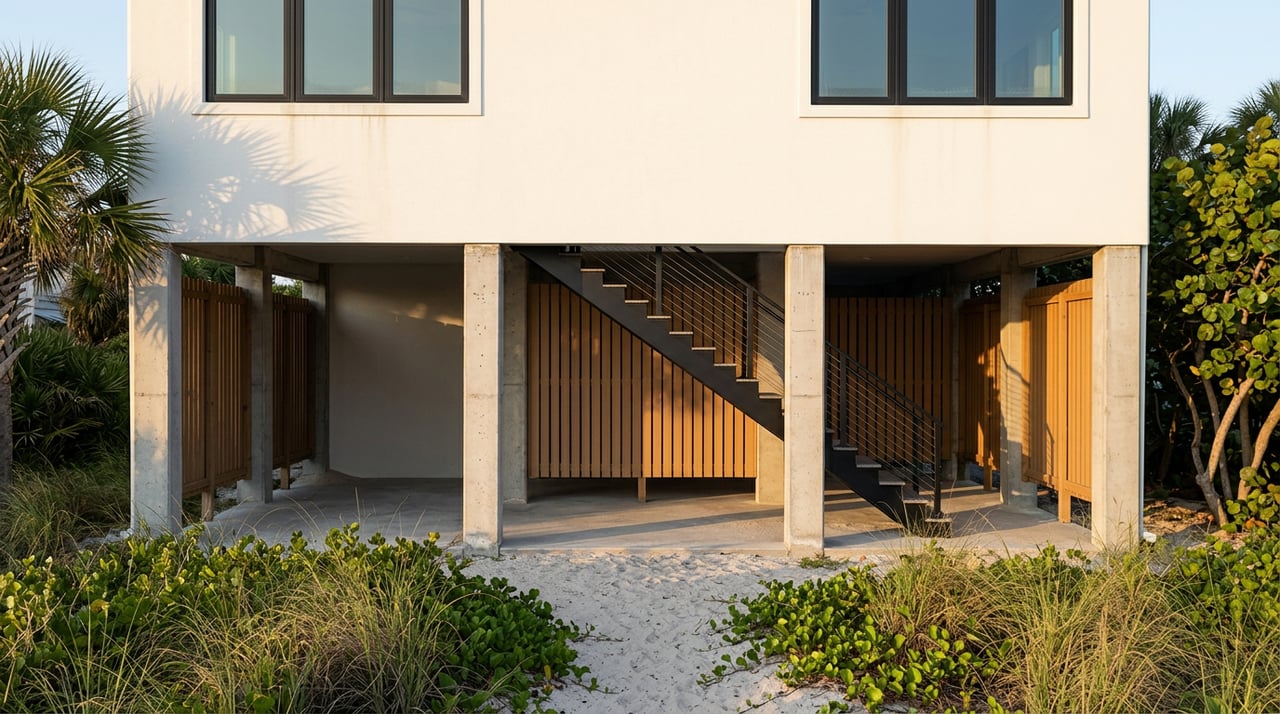
The housing feel on Captiva is different from a typical mainland subdivision. The island’s inventory includes cottages, condos, private homes, waterfront residences, and larger estate-style properties, with a strong coastal and resort influence.
Sources tied to South Seas and island lodging descriptions support a broad mix that includes beach villas, marina villas, tennis villas, beachfront homes, Gulf cottages, condos, and homes with Gulf or Pine Island Sound views. That variety gives you several ways to imagine life on the island depending on your goals and budget.
For some buyers, Captiva may look like a classic island cottage near the beach. For others, it may mean a condo with a low-maintenance setup, a private waterfront home, or a larger estate-style property with expansive views.
What stays consistent is the setting. On Captiva, housing is closely tied to water, coastal architecture, and a lifestyle that feels more resort-oriented than suburban.
At its core, Captiva feels calm, compact, and connected to the outdoors. A typical day may include beach time in the morning, boating or paddling in the afternoon, and dinner or live music in the evening, with community events layered in along the way.
That does not mean life here is empty or sleepy. It means the island’s energy is focused on nature, routine, and a small collection of places that become familiar over time.
If you are considering a home on Captiva, understanding that rhythm matters as much as understanding the property itself. For buyers who value beach access, water-based recreation, and a quieter village feel, Captiva offers a lifestyle that is distinct within Southwest Florida.
When you are ready to explore Captiva real estate with a team that understands island living, waterfront nuance, and the local market, connect with McMurray & Members.

A Clear Guide to Real Estate Contingencies for Fort Myers Buyers and Sellers.
A Clear Guide to the Home Inspection Process for Fort Myers Buyers.

Your Ultimate Guide to Weekend Fun Near Fort Myers, Florida.

Smart Strategies for a Winning Offer in a Competitive Market.

You will appreciate working with a team who is more like an extended family, one that takes care of each other and encourages success. Plus, we are backed by the strength of Royal Shell.