By McMurray and Members
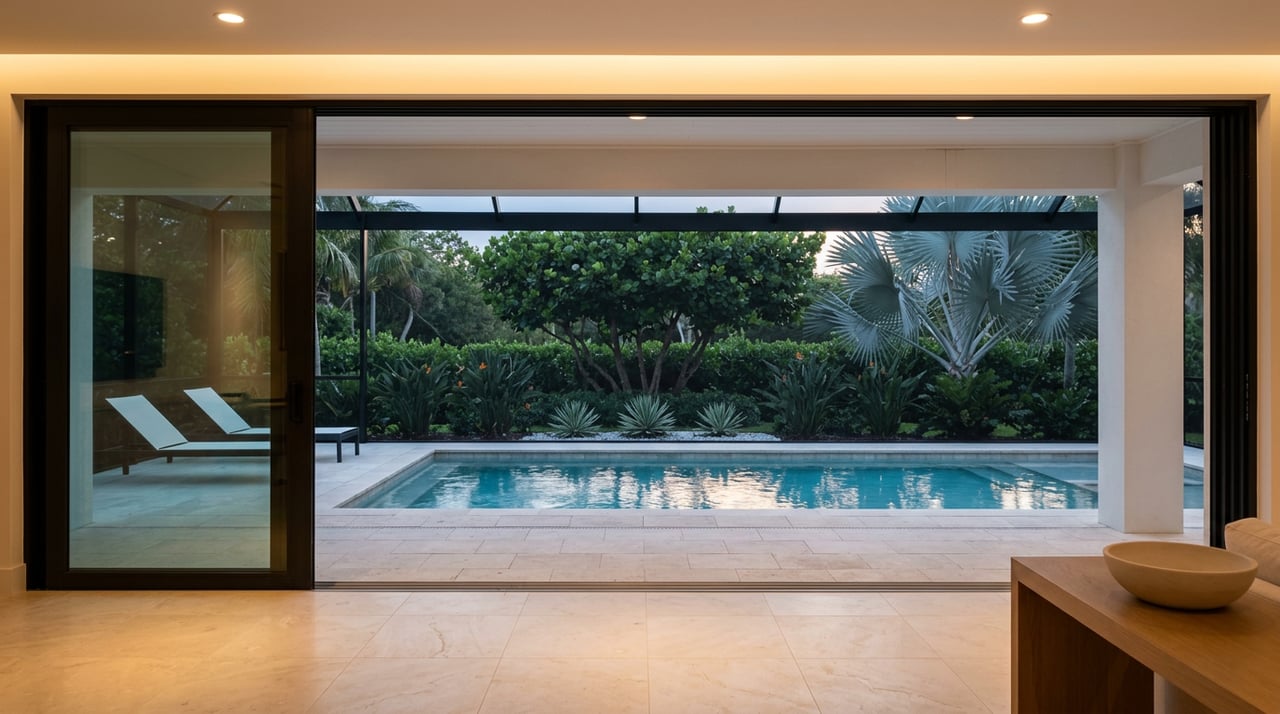
Fort Myers interiors read differently from homes in many other markets because the light is stronger, the greenery outside is richer, and the color cast from water, sky, and palms can shift a paint tone across the day. Rooms often share the same challenge: a shade that looked balanced on a sample card can feel far brighter or warmer once it hits a sunlit wall.
We like to explain how to choose colors for a room through the way Southwest Florida homes actually live, with open plans, lanais, tile floors, and long hours of natural light. In this market, the best paint choices usually come from understanding undertones, daylight direction, and how one room flows into the next.
Key Takeaways
- Start with light: Room direction changes how paint reads.
- Read undertones: Flooring, counters, and cabinets shape the result.
- Match the mood: Bedrooms, kitchens, and living areas need different energy.
- Keep flow: Open plans need one clear color story.
Start With Natural Light Before Picking Any Paint
The light in Fort Myers can make a color appear softer in the morning and far more reflective by late afternoon.
The light factors we evaluate first
- East-facing rooms: Morning light tends to bring out gentle warmth and make soft neutrals feel airy.
- West-facing rooms: Afternoon sun can intensify beige, taupe, peach, and golden undertones.
- North-facing rooms: Cooler light often makes grays and blue-based whites read more crisp.
This first step matters because a paint chip seen under store lighting tells only part of the story.
Use Undertones to Keep Floors, Cabinets, and Walls in Sync
Undertones do most of the work in a finished room, especially in Fort Myers homes with travertine, porcelain tile, quartz counters, and light wood cabinetry.
The undertone combinations we watch most closely
- Warm tile floors: Pair with creamy whites, soft greiges, and sandy taupes that echo the floor’s warmth.
- Cool gray floors: Use cleaner whites, muted greiges, or pale stone colors with a cooler base.
- White cabinetry: Check whether the cabinet finish leans creamy or crisp before choosing the wall color.
We focus on undertones early because they determine whether the space feels calm and cohesive or slightly off from one surface to the next.
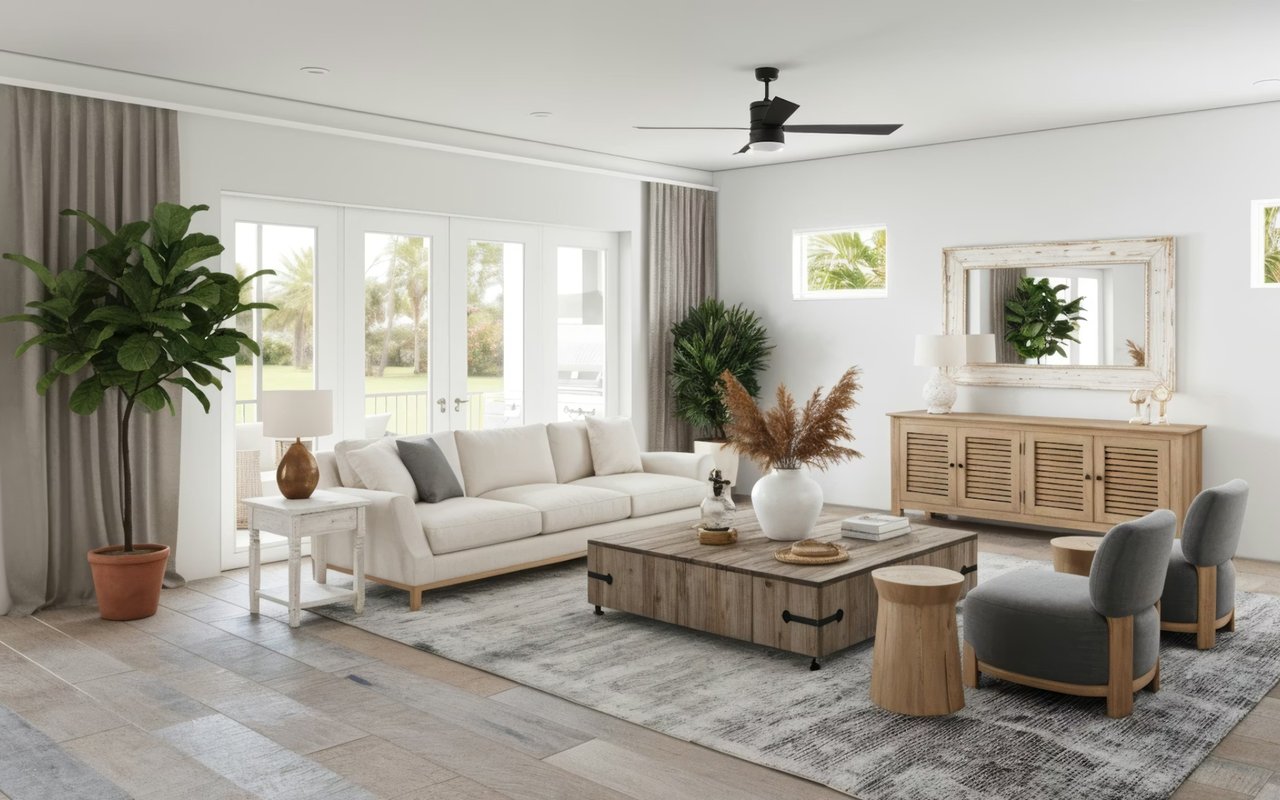
Choose Living Area Paint Tones That Support Open Fort Myers Floor Plans
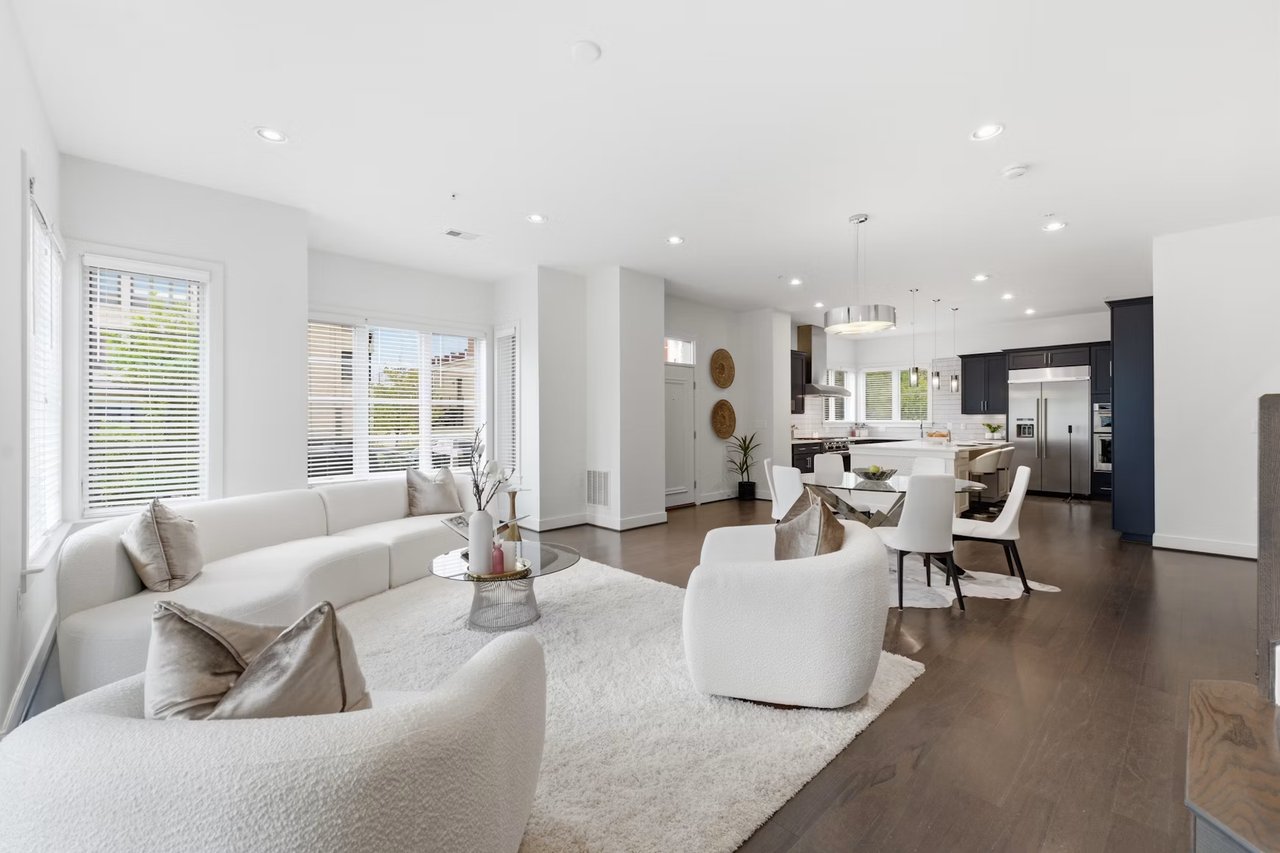
Many Fort Myers homes use broad main living spaces that connect the kitchen, dining area, and great room in one long visual sweep.
The living-area tones that usually work best
- Soft warm white: A strong choice for homes with coastal contemporary or transitional finishes.
- Greige with depth: Useful when a large room needs a little grounding without feeling dark.
- Pale sand: Works well in homes with natural textures and a softer Florida palette.
Main living areas set the tone for the rest of the house, which is why we use them as the anchor point before selecting bedrooms, studies, or accent walls.
Use Bedrooms and Bathrooms to Shift the Mood More Intentionally
Private rooms can handle more nuance because they are smaller, more personal, and less visually tied to the main living area.
The room-specific directions we prefer
- Primary bedrooms: Use soft mineral colors, pale taupes, or muted blue-grays for a cooler, calmer feel.
- Guest bedrooms: Choose light neutrals that feel welcoming and easy to furnish around.
- Bathrooms: Use whites or pale tones that flatter stone, mirror finishes, and reflected light.
These choices work well because the mood of a room should reflect its purpose as much as its dimensions.
Test Color at Full Scale Before Committing
Paint needs to be seen on the wall, across different times of day, and against the actual finishes in the room.
The testing steps that give the clearest result
- Paint large sample areas: Use broad sections on more than one wall instead of relying on a tiny patch.
- View the room at three times: Check the color in morning, midday, and evening light.
- Compare against fixed materials: Hold the sample near tile, trim, counters, and upholstery.
We always recommend large samples because strong Florida light can exaggerate both brightness and undertone in ways that are hard to predict from a small swatch.
Keep the Whole Home Cohesive With a Limited Palette
The strongest interiors in Fort Myers often use fewer colors than people expect, especially in homes with open sight lines and abundant natural light.
The palette structure we use most often
- One main wall color: Use a dominant neutral for the principal living spaces.
- One trim white: Keep doors, casings, and baseboards consistent throughout the house.
- Two supporting room tones: Add one or two compatible secondary colors for bedrooms or baths.
A disciplined palette helps the architecture stand out, especially in homes with high ceilings, wide openings, and lanai views.
FAQs
What is the biggest mistake people make when choosing paint in Fort Myers?
The most common issue is selecting a color from a small swatch without checking it in the home’s actual light. Bright Florida sun can shift warmth, brightness, and contrast much more than expected.
Are white walls always the best choice for a Florida home?
White can work beautifully, though the undertone matters a great deal. A crisp white, creamy white, or soft off-white will each create a very different result depending on flooring, cabinetry, and room exposure.
How do we keep an open floor plan from feeling flat with one paint color?
We use one main color with layered texture, art, fabrics, and room-specific accents to create depth. That approach keeps the flow intact while still giving each space its own identity.
Contact McMurray and Members Today
Reach out to us at
McMurray and Members, and we will help you look at paint color through the lens of this market, including how sunlight, flooring, cabinetry, and room flow affect the final result.
We pay close attention to the details that make Southwest Florida interiors feel finished, like the balance between warm and cool undertones, the way open layouts carry color, and the tones that support a relaxed but polished coastal look.