By McMurray and Members
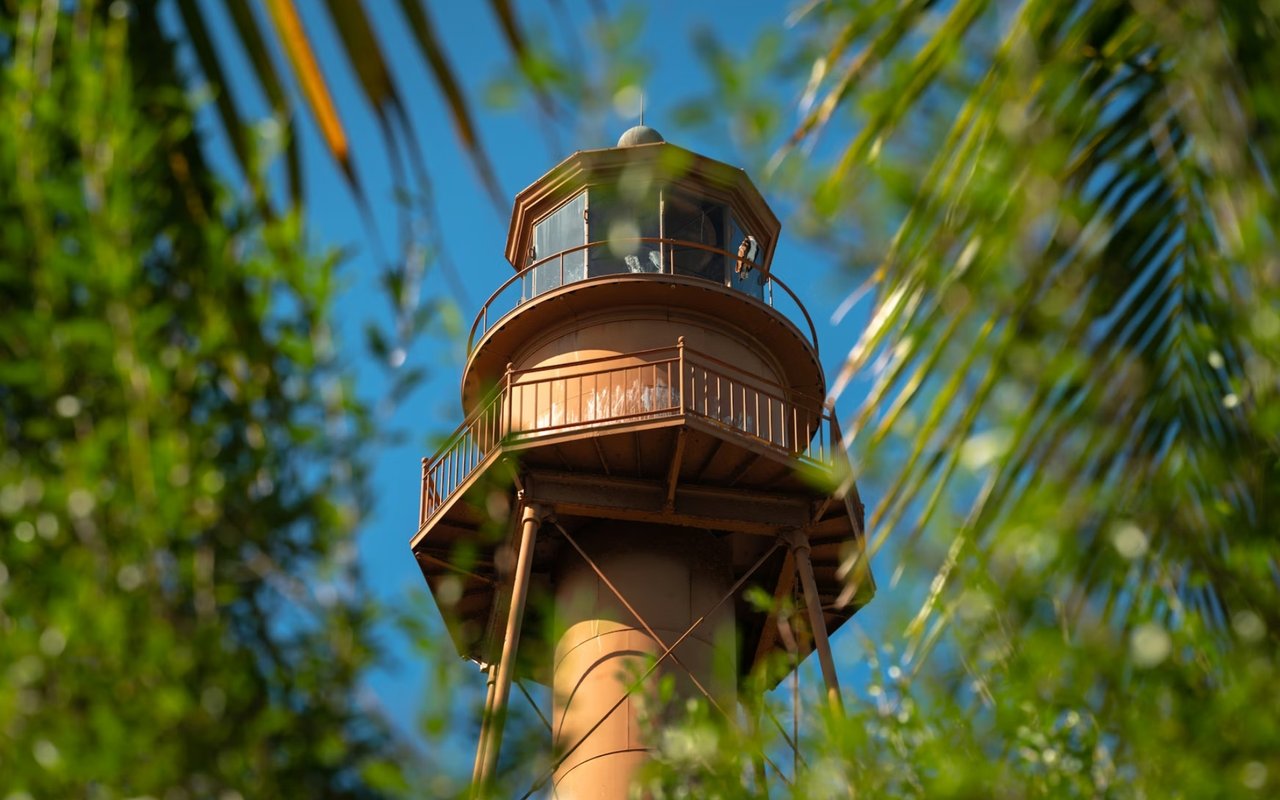
Sanibel’s first impression comes fast, with Periwinkle Way carrying you from the Causeway toward the 1884 lighthouse, the shared-use paths running alongside sea grape and palm, and Sanibel-Captiva Road opening toward the refuge and the island’s conservation corridor. We like framing things to do in Sanibel Island around that progression because it helps people settle into the island in a way that feels natural and specific.
We think a first week here should include water, wildlife, history, and the local routines that make Sanibel such a singular coastal market.
Key Takeaways
-
Start east: Use the lighthouse area, Gulfside, and Periwinkle Way first.
-
Go wild: Explore the refuge, the tower, and the island’s conservation spine.
-
Learn local: Add shells, wildlife care, and island history to the week.
-
Move around: Use Bowman’s and the path network for a fuller island feel.
Start at the East End to Learn the Island’s Daily Rhythm
The east end gives the clearest introduction to how Sanibel works, because the roads, shoreline, and neighborhood pattern all come together in one compact stretch.
Three East End activities worth doing first
-
Visit Lighthouse Beach Park: Walk the shoreline and take in the historic lighthouse at the island’s eastern tip.
-
Spend time at Gulfside City Beach Park: Use the boardwalks, picnic areas, and open Gulf frontage for a slower beach stop.
-
Drive and stroll Periwinkle Way: Get oriented along the island’s main commercial corridor and note how shops, services, and residential streets connect.
These three stops create a practical first-day circuit because they show the beach side, the civic side, and the everyday side of Sanibel in one sweep.
Head West Into the Island’s Conservation Core
Sanibel’s strongest identity comes through its protected land, and the west side is where that becomes unmistakable.
Three nature-focused activities for midweek
-
Drive Wildlife Drive at J.N. “Ding” Darling National Wildlife Refuge: Use the one-way route through mangrove habitat to watch birds, marsh, and open water shift mile by mile.
-
Climb the Observation Tower: Stop for a broader look across the refuge landscape and the feeding areas below.
-
Walk one of the refuge trails: Add a short trail or boardwalk stop to experience the habitat at a slower pace.
This part of the week should feel quieter and more immersive, since the refuge reveals the ecological structure that gives Sanibel its shape.
Use the Wild Mile to Understand Sanibel’s Culture of Stewardship
Sanibel is unusual because education and conservation are woven directly into the visitor experience, especially along Sanibel-Captiva Road.
Three Wild Mile stops to add to the week
-
Visit the Bailey-Matthews National Shell Museum & Aquarium: Spend time with the shell collections, aquariums, and the island’s signature coastal subject.
-
Tour the CROW Visitor Education Center: Learn how the island’s wildlife hospital and education center support native and migratory species.
-
Use the Wild Mile corridor as a scenic drive: Follow the road and adjacent path system to understand how these institutions sit within the island landscape.
These activities add intellectual depth to the week and make the island feel far more layered than a simple beach destination.
Spend a Day on History, Bikes, and the Western Beaches
By the second half of the week, the island usually starts to feel familiar enough for a more relaxed day built around movement and local texture.
Three westward activities that round out the week
-
Visit the Sanibel Historical Museum and Village: Use Dunlop Road as a starting point for understanding the island’s early families, village structures, and agricultural past.
-
Ride the shared-use path system: Follow part of the island-wide network that stretches from Lighthouse Beach Park toward Blind Pass Bridge.
-
Go shelling or sunset-watching at Bowman’s Beach: Spend time on one of Sanibel’s most loved beach parks, where shells, calm water, and a longer beach walk come together well.
This final set of activities helps the island settle into memory as a place with depth, continuity, and a highly livable pace.
FAQs
What should we do first after arriving on Sanibel Island?
We recommend starting with the east end, including Lighthouse Beach Park, Gulfside City Beach Park, and a drive along Periwinkle Way. That combination gives a fast, clear read on the island’s layout and daily rhythm.
How much of the first week should be spent outdoors?
A large portion of the week should happen outside, because the refuge, beaches, and shared-use paths are central to how Sanibel is experienced. Indoor stops like the Shell Museum and CROW add balance and context without changing that outdoor focus.
Which first-week activities say the most about Sanibel’s real estate appeal?
The refuge, Bowman’s Beach, and the shared-use paths do that especially well because they show how conservation land, shoreline access, and easy island movement all shape the residential experience. Those features are a major part of what makes Sanibel feel so distinctive in coastal Florida.
Contact McMurray and Members Today
Sanibel has a very particular residential map, with east-end neighborhoods near the lighthouse, mid-island enclaves near Periwinkle Way and the shared-use paths, and west-side settings that feel closer to the refuge and Bowman’s Beach.
Reach out to us at
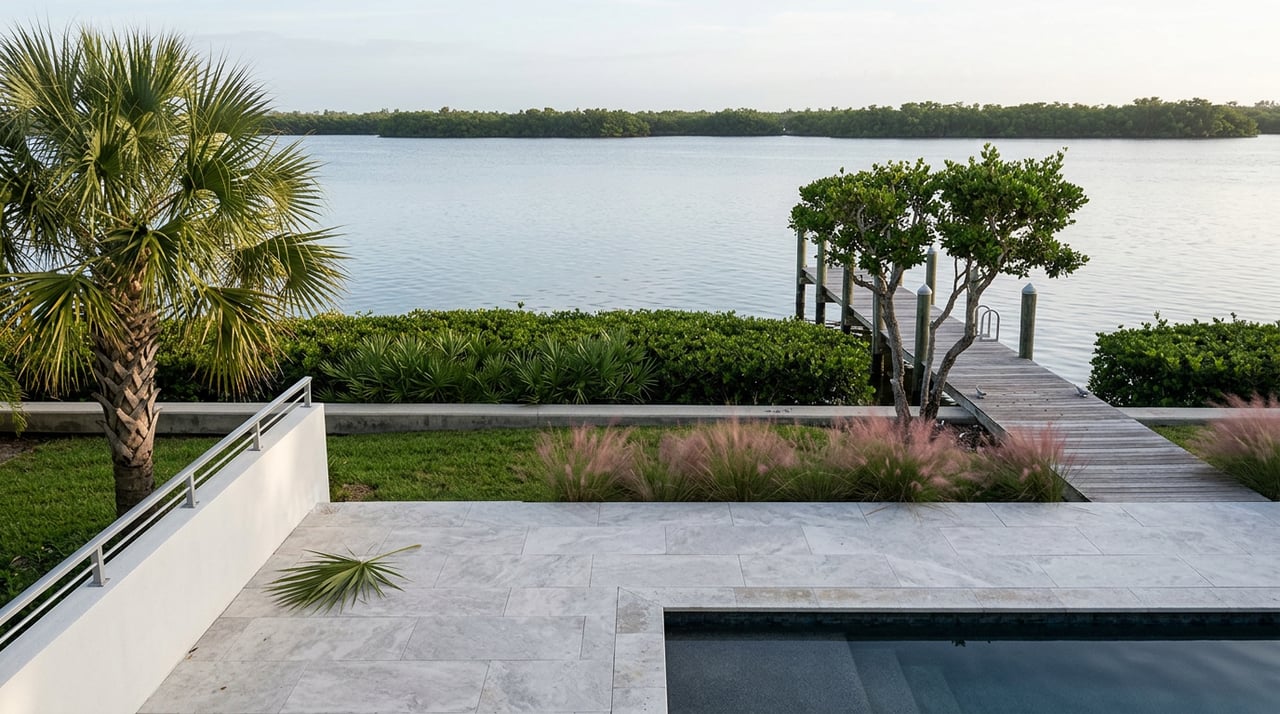
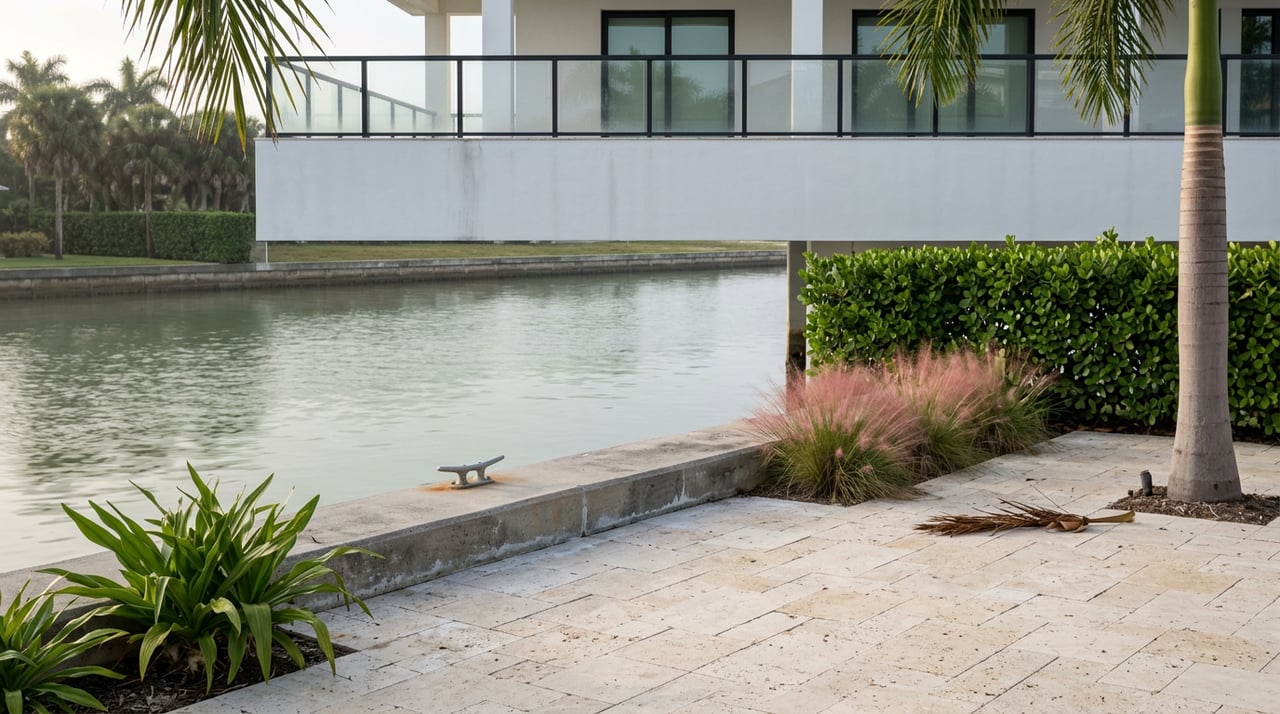
McMurray and Members, and we will help you understand how those different parts of the island live day to day, from Gulf-front stretches to canal-adjacent pockets and homes tucked along Sanibel-Captiva Road.