By McMurray and Members of Royal Shell Real Estate
Living in Southwest Florida has real advantages when it comes to the outdoors — but inside your home, air quality is worth paying close attention to. Cape Coral's climate means homes are sealed up and air conditioned for much of the year, which can trap pollutants, humidity, and allergens inside. We work with homeowners across Cape Coral and the surrounding area who are often surprised to learn how much the air inside their homes differs from what they breathe outside. Here is what you can do about it.
Key Takeaways
- Southwest Florida's humid climate creates specific indoor air quality challenges, including mold risk and elevated humidity
- HVAC maintenance and air filter upgrades are among the most impactful changes a homeowner can make
- Plants, ventilation habits, and low-VOC materials all contribute to healthier indoor air
- Good air quality is a selling point in Cape Coral's luxury home market and worth investing in
Change Your Air Filters Regularly
In Cape Coral, FL, where air conditioning runs nearly year-round, your HVAC air filter is working harder than it would in a cooler climate. A clogged or outdated filter recirculates dust, pollen, pet dander, and other particles back through your home's air supply. Most HVAC professionals recommend changing standard filters every one to three months, depending on the filter type and whether you have pets.
What to Look for in an Air Filter
- A MERV rating of 8 to 13 captures most common household particles without overworking the system
- HEPA filters offer finer filtration and are worth considering for anyone with allergy or asthma concerns
- Pleated filters outperform fiberglass filters for particle capture and typically last longer
- Check the filter housing for the right sizing before purchasing — using the wrong size leaves gaps where unfiltered air bypasses the filter entirely
Address Humidity Before It Becomes a Problem
Humidity is one of the most significant indoor air quality factors for homes in Cape Coral and throughout Southwest Florida. When indoor relative humidity stays above 60 percent for extended periods, mold and mildew growth becomes a real risk — particularly in bathrooms, laundry rooms, and any space with limited airflow. The Environmental Protection Agency recommends keeping indoor humidity between 30 and 50 percent.
Ways to Control Indoor Humidity in a SWFL Home
- Run a whole-home dehumidifier or portable units in rooms that tend to retain moisture
- Make sure bathroom exhaust fans are vented directly outside — not into the attic or crawl space
- Check weatherstripping and door seals regularly, as gaps allow humid outside air into conditioned spaces
- After cooking or showering, run ventilation fans for at least 15 to 20 minutes to move moist air out
Improve Ventilation Without Compromising Efficiency
One of the trade-offs of living in a well-sealed, energy-efficient home is reduced natural ventilation. In Cape Coral, opening windows during the mild winter and spring months is a practical way to introduce fresh air and dilute indoor pollutants. During hotter months, energy recovery ventilators (ERVs) can bring in fresh outside air while maintaining the temperature and humidity your HVAC system has conditioned.
Ventilation Strategies Worth Considering
- Open windows on cooler evenings from October through April to cycle fresh air through the home
- Install or service kitchen range hoods that vent outside rather than recirculating air through a filter
- Consider an ERV or heat recovery ventilator (HRV) if you are renovating or building new construction
- Keep interior doors open during the day to allow air to circulate rather than stagnating in closed rooms
Choose Low-VOC Materials for Renovations and Furnishings
Volatile organic compounds (VOCs) are chemicals released by many common household products, including paints, flooring adhesives, cabinetry, cleaning products, and new furnishings. In a warm climate like Cape Coral's, VOC off-gassing can happen more quickly because heat accelerates the process. When renovating or furnishing a home here, low-VOC or zero-VOC options are worth the added attention.
Where VOCs Show Up in a Home
- Interior paints — look for products labeled low-VOC or zero-VOC, which are widely available at major paint retailers
- New carpeting and flooring adhesives, which can off-gas for weeks to months after installation
- Pressed wood products used in cabinetry and furniture, which often contain formaldehyde-based adhesives
- Cleaning products, air fresheners, and candles — many introduce VOCs that linger in sealed, air-conditioned spaces
Add Indoor Plants Strategically
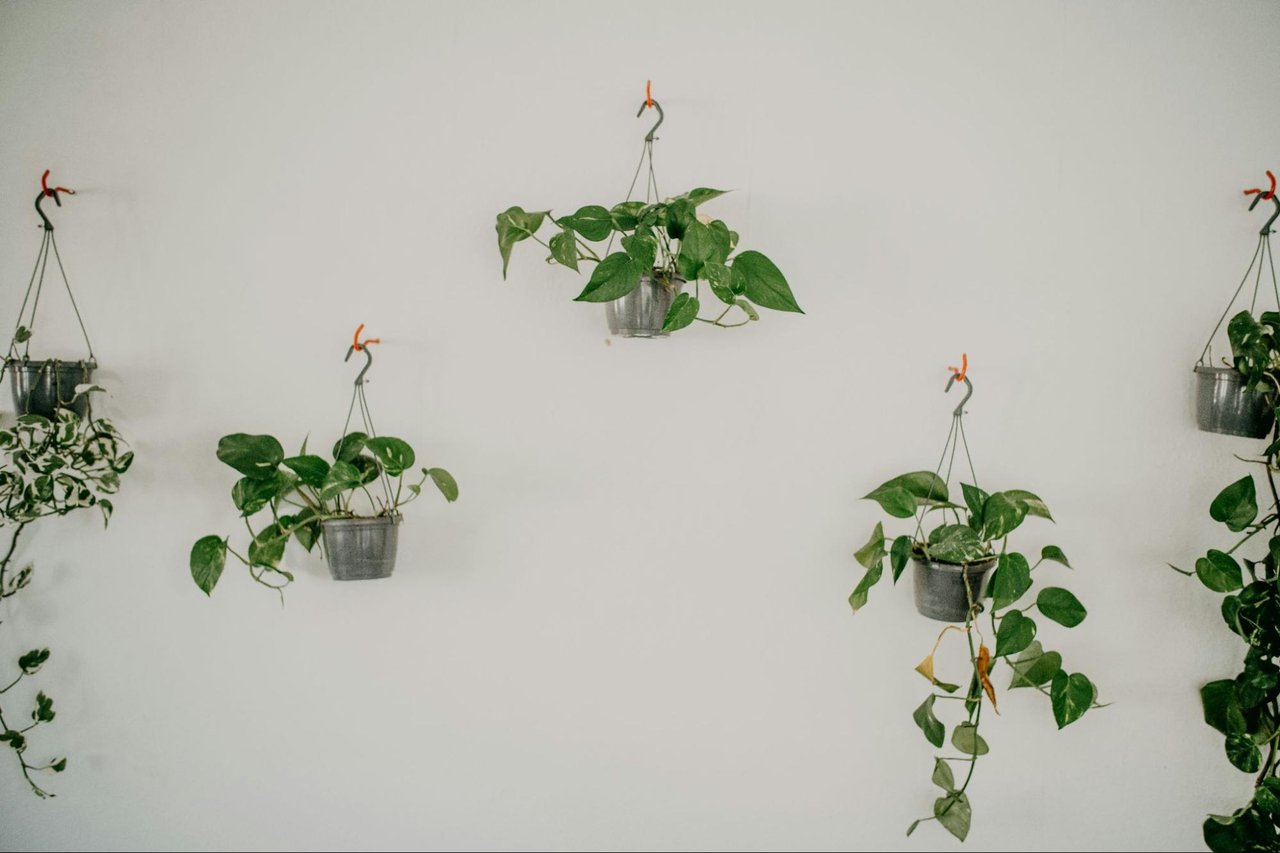
Certain indoor plants can contribute to improved air quality by absorbing some airborne toxins and adding oxygen. While plants alone are not a substitute for proper filtration and ventilation, they are a meaningful addition to a well-rounded approach. In Cape Coral homes with plenty of natural light, low-maintenance options like snake plants, pothos, and peace lilies tend to do well and are known to absorb compounds like benzene and formaldehyde.
Good Indoor Plant Choices for Southwest Florida Homes
- Snake plant — thrives in indirect light, tolerates air conditioning, and filters formaldehyde and other VOCs
- Pothos — easy to maintain, effective at absorbing carbon monoxide and certain VOCs
- Peace lily — does well in lower light conditions and helps reduce airborne mold spores
- Spider plant — a durable option that handles the dry indoor air created by heavy air conditioning use
FAQs
How often should I have my HVAC system serviced in Cape Coral?
We recommend twice-yearly service for most homes in Southwest Florida — once before the heavy summer cooling season and once heading into fall. A technician can clean coils, check refrigerant levels, and inspect ductwork for leaks that might be introducing unconditioned air or pulling in attic-level particulates.
What are the signs of poor indoor air quality in a home?
Common indicators include persistent musty odors, frequent allergy or sinus symptoms that improve when you leave the house, visible mold growth near vents or in bathrooms, and excessive dust accumulation between cleanings. If you are experiencing any of these, an indoor air quality test from a licensed HVAC or environmental professional is a good starting point.
Does good indoor air quality add value to a home in Cape Coral?
It can. Buyers in Cape Coral's luxury market increasingly ask about HVAC systems, filtration, and any history of moisture issues during due diligence. Homes with whole-home dehumidifiers, recently updated filtration, and documented HVAC maintenance records tend to move through inspection with fewer surprises.
Connect with McMurray and Members of Royal Shell Real Estate
Whether you are buying, selling, or simply investing in the home you already have in Cape Coral, FL, the details matter. We help buyers and sellers across Southwest Florida make informed decisions at every step.