For families living in or moving to Fort Myers, the comfort and security of home are top priorities, especially when young children are part of the household. Ensuring child safety at home goes beyond basic baby-proofing, requiring a proactive approach that addresses potential hazards in every room and outdoor area. With the unique climate and lifestyle of Southwest Florida, homeowners face additional considerations such as pools, screened lanais, and tropical landscaping. Creating a safe, nurturing environment allows children to explore, learn, and thrive while providing parents with peace of mind.
This guide offers practical tips and best practices for maximizing child safety at home, from the initial home search to everyday routines and long-term upgrades.
Understanding the Importance of Child Safety at Home
Unintentional injuries are a leading cause of emergency room visits for young children nationwide, with the majority occurring in or around the home. In Fort Myers, where many properties feature open floor plans, patios, and water access, taking a comprehensive approach to child safety at home is crucial. Real estate professionals often recommend that families with young children consider safety features as part of their home search and renovation plans, just as they would prioritize location, school districts, or square footage.
Entry Points and Access Control
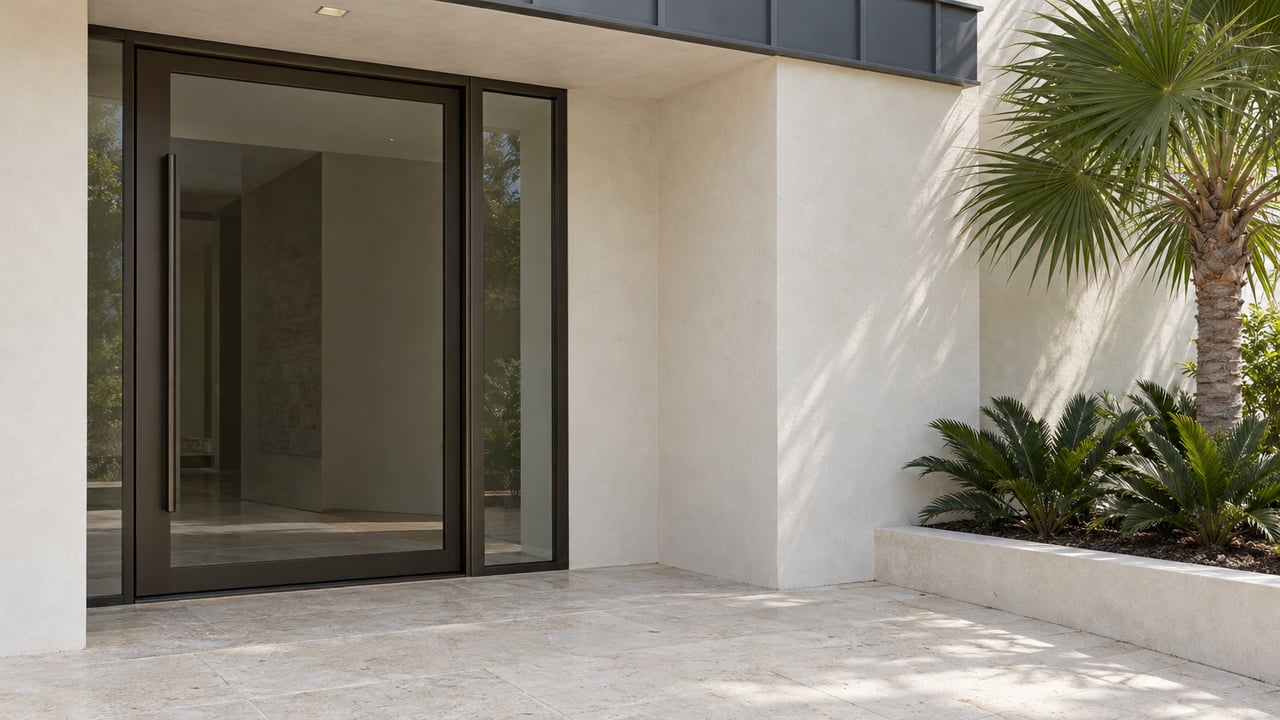
The first step in home childproofing is controlling entry points. Secure all exterior doors with child-resistant locks or high-mounted hardware to prevent unsupervised exits. Sliding glass doors and French doors should have secondary locks or alarms, particularly in homes with direct access to pools or lanais.
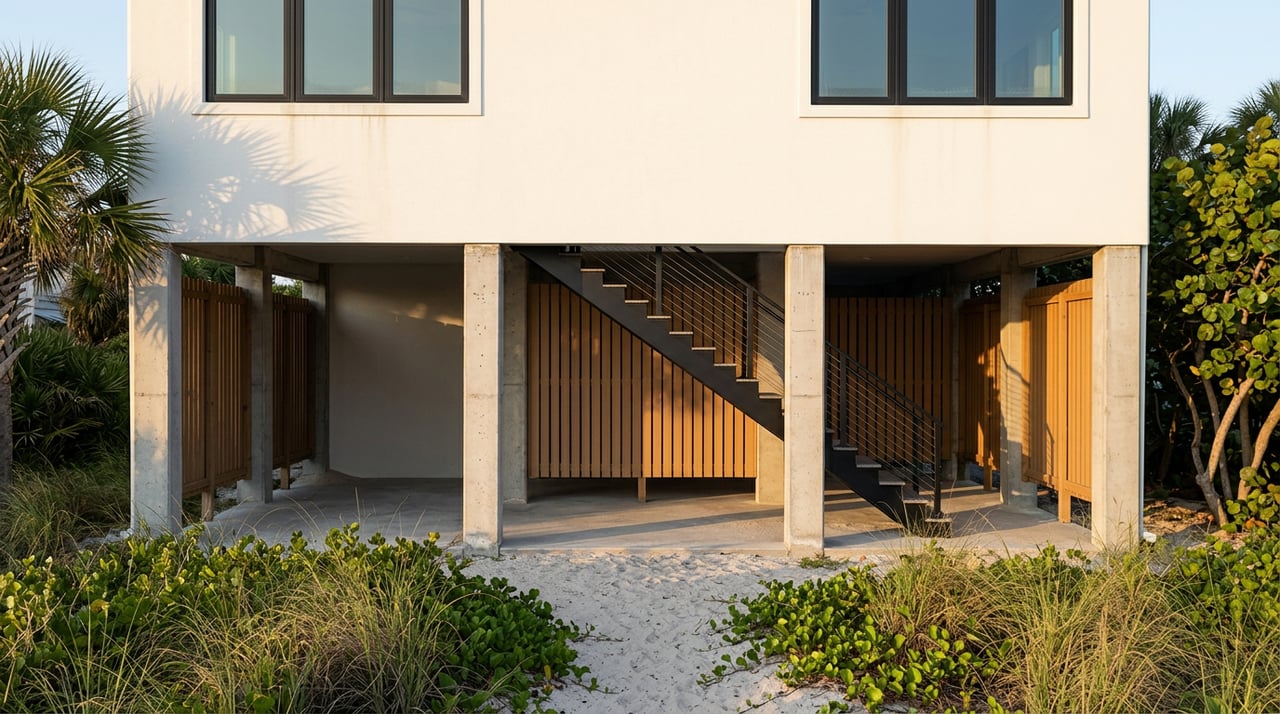
Windows on upper floors or near play areas should have secure latches and, if necessary, window guards. In homes with staircases, install sturdy safety gates at both the top and bottom landings to reduce fall risks.
Water Safety in Southwest Florida Homes
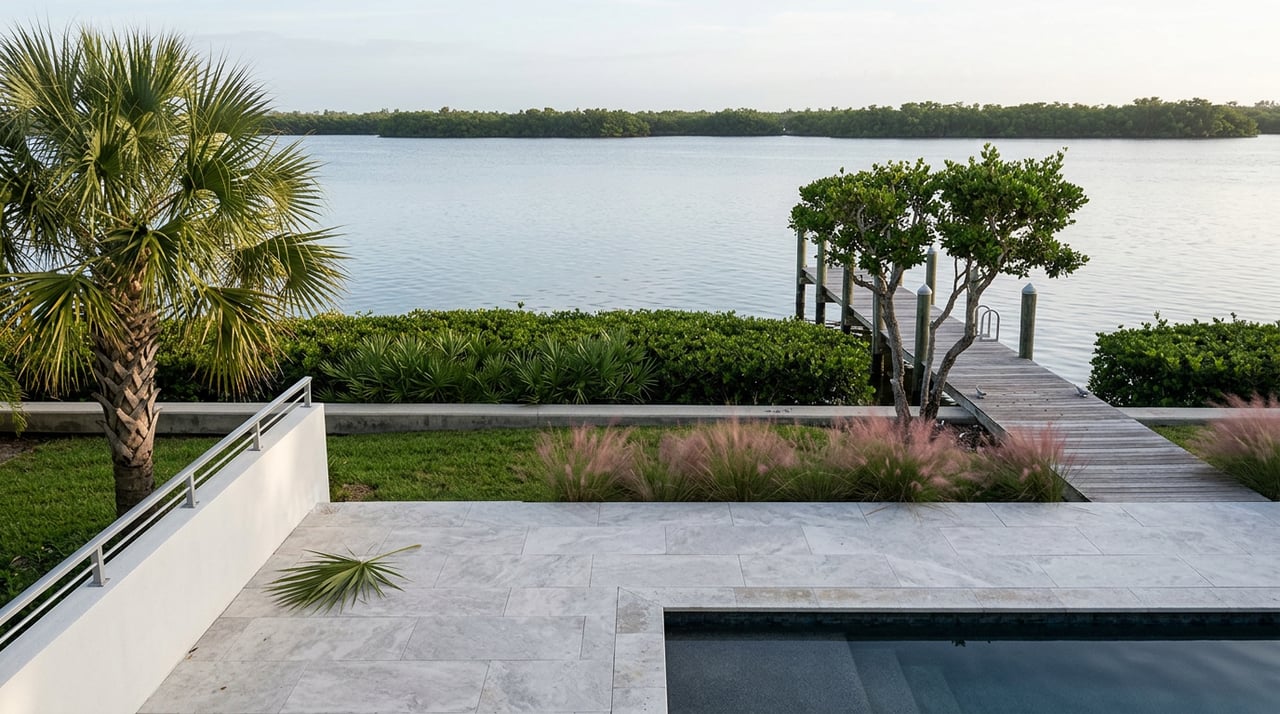
Many Fort Myers homes feature backyard pools, spas, or are located near lakes, canals, or the Gulf. Water safety is a cornerstone of child safety at home in this region. Florida law requires pool barriers, but best practices go further: ensure self-closing, self-latching gates around pools, use pool alarms, and always remove toys or floats when not in use to eliminate temptation.
Parents should teach children water safety skills early and always provide direct supervision. For homes without pools, consider covering or fencing any water features such as ponds, fountains, or rain barrels.
Kitchen and Bathroom Precautions
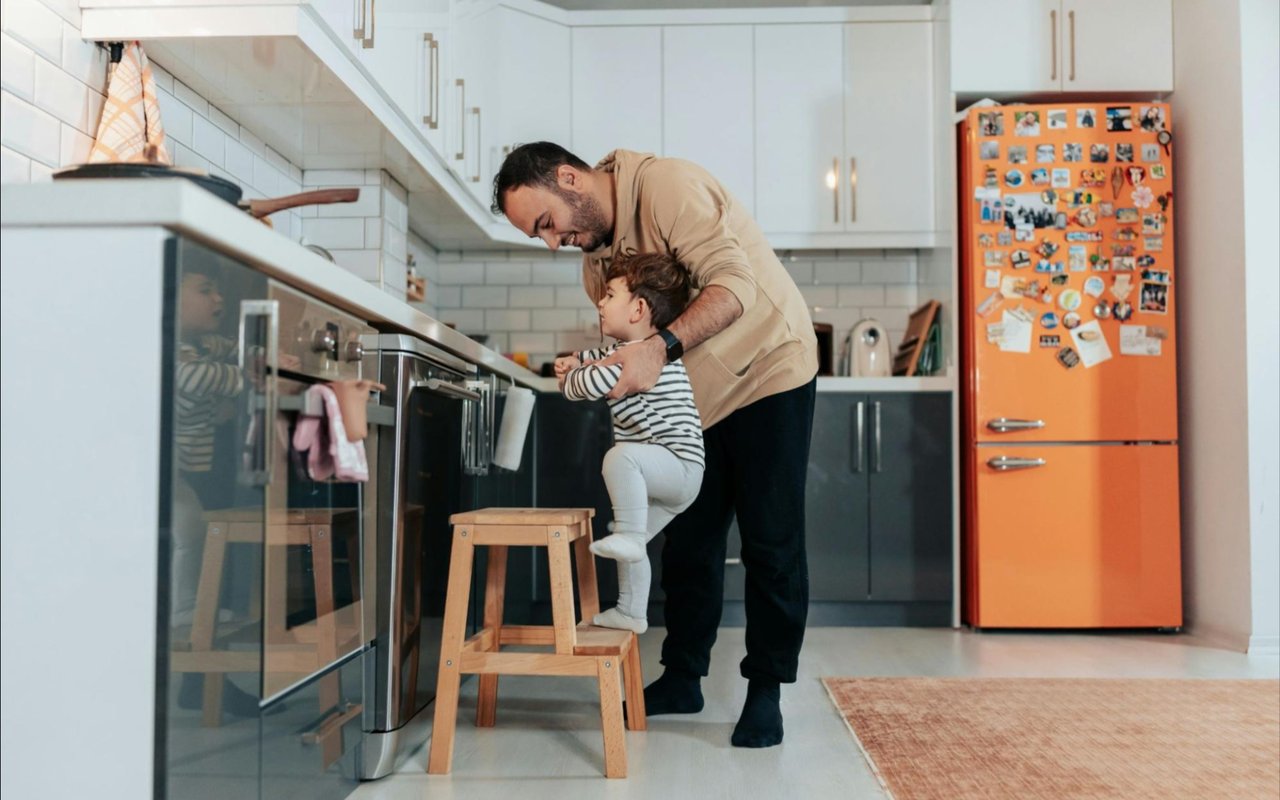
Kitchens and bathrooms are among the most hazardous areas for children. Store cleaning products, medications, and sharp utensils in high cabinets or locked drawers. Use stove knob covers and oven locks to prevent burns, and never leave hot pots or pans within a child’s reach.
In bathrooms, set the water heater to a safe temperature (typically below 120°F) to prevent scalds. Install non-slip mats in bathtubs and showers, and always keep toilet lids closed with childproof locks if needed.
Electrical and Cord Safety
Electrical outlets should be covered with tamper-resistant plates or plug covers throughout the home. Secure power strips and keep cords out of reach to avoid tripping hazards or strangulation risks. Window blind cords are a particular danger—opt for cordless window treatments or use safety tassels and cleats to keep cords securely out of reach.
Furniture, Decor, and Fall Prevention
Young children are naturally curious and love to climb, making it vital to secure heavy furniture such as bookcases, dressers, and TVs to the wall with anti-tip brackets. Place corner guards on sharp table edges and anchor artwork or mirrors securely.
Use doorstops to prevent fingers from getting pinched, and keep small decorative items or choking hazards out of reach, especially during the early years of exploration.
Creating Safe Play Spaces Indoors and Out
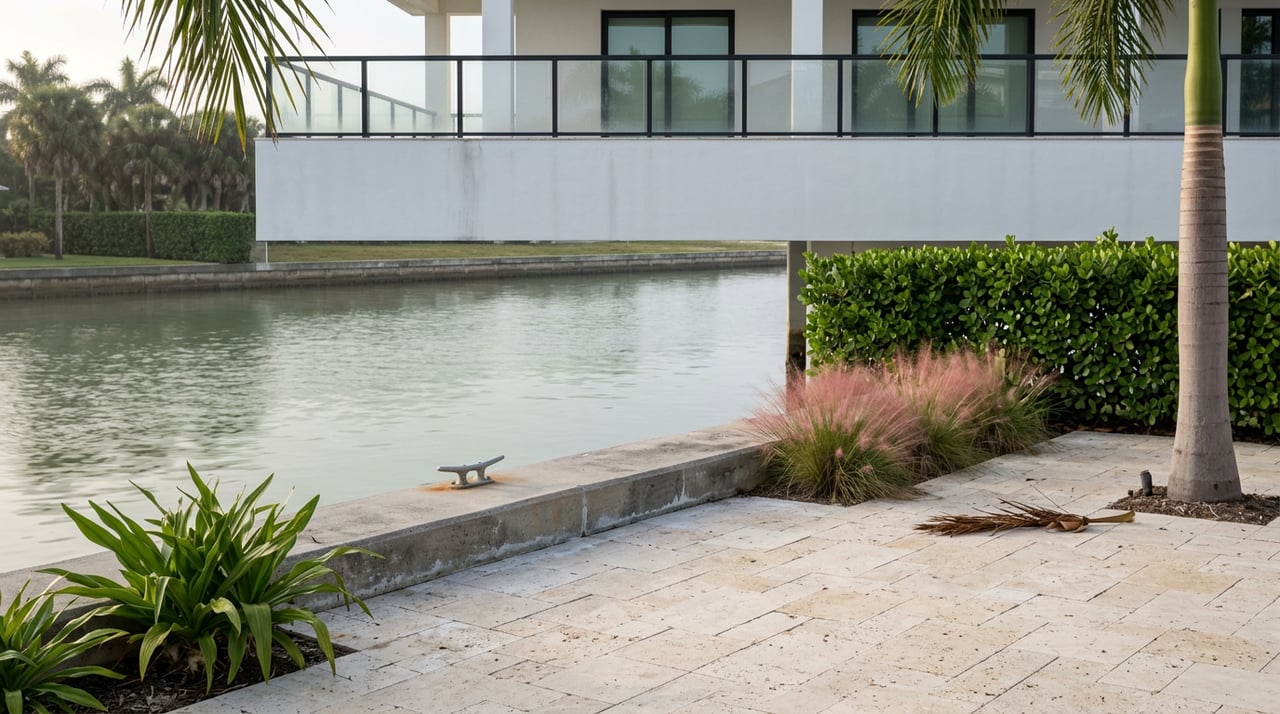
Designating a safe play zone, whether in a family room or outdoors, encourages supervised exploration. Use soft flooring materials, ample lighting, and age-appropriate toys. In the yard, regularly inspect play equipment for wear or damage, and ensure fences are secure and free of gaps. If your home backs onto a lake or canal, add a secondary fence or dense landscaping as a barrier between play spaces and the water.
Emergency Preparedness and Safety Planning
A key element of child safety at home is preparing for emergencies. Install smoke and carbon monoxide detectors on every level of the home, and test them regularly. Store fire extinguishers in the kitchen and garage, and teach older children basic fire safety and escape routes.
Post emergency numbers and your home address near every phone, and practice evacuation drills as a family so children know what to do if an alarm sounds.
Ongoing Safety Maintenance
Childproofing is not a one-time event. As children grow and become more mobile, their ability to reach, climb, and explore increases. Regularly reassess safety features, check for recalled products or furniture, and update your home’s safety plan to match your child’s stage of development. Encourage grandparents and babysitters to follow the same guidelines, especially if children spend time in other homes.
Partnering With Local Experts for Maximum Child Safety
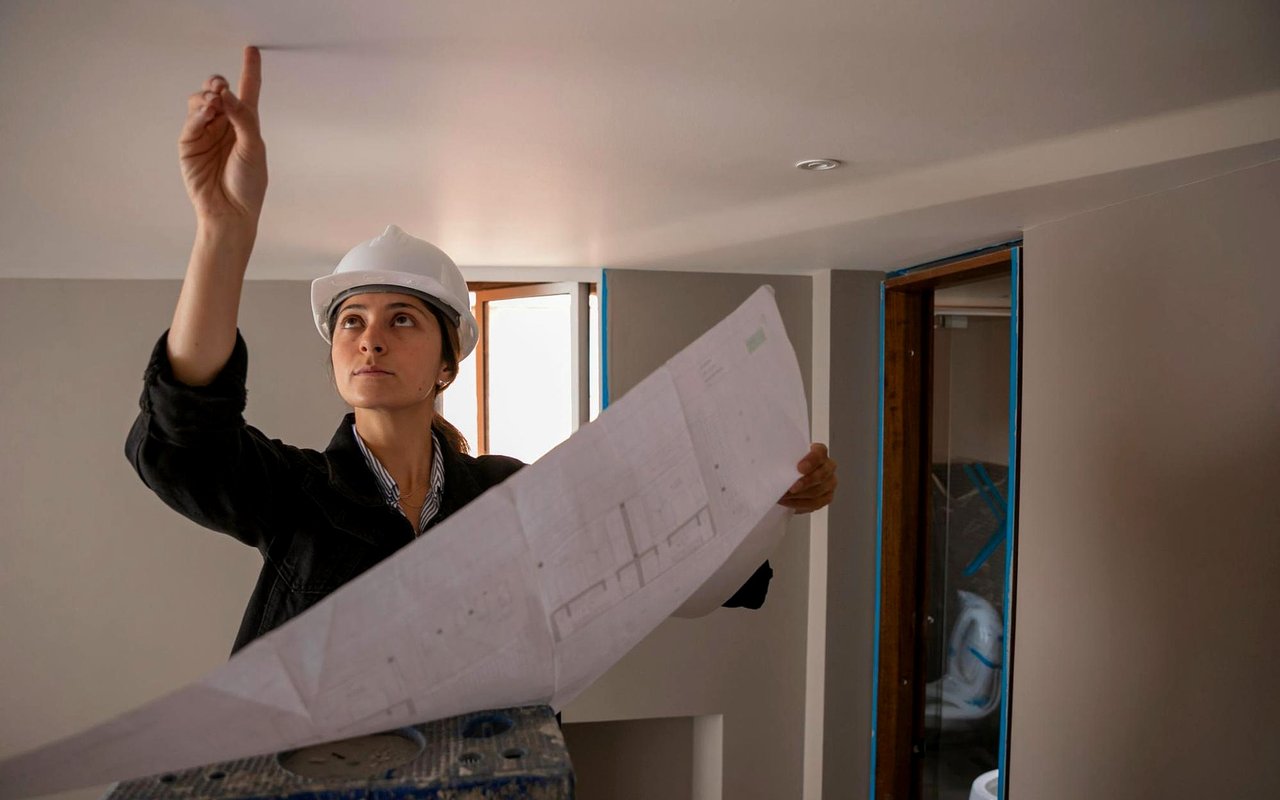
Local real estate agents, home inspectors, and childproofing specialists can provide valuable advice tailored to Fort Myers homes and lifestyles. When considering a new property, ask about existing safety features and the feasibility of additional upgrades, such as installing pool alarms, hurricane-rated doors, or security systems.
Investing in professional childproofing, especially in homes with unique layouts, waterfront access, or extensive landscaping, can provide an added layer of confidence for busy families.
Child Safety at Home: Trusted Guidance From Fort Myers Real Estate Professionals
Creating a safe, welcoming environment for children is one of the most meaningful investments a family can make. By taking a proactive, comprehensive approach to child safety at home, homeowners in Fort Myers can enjoy the region’s amenities while minimizing risk and fostering peace of mind.
Connect with McMurray and Members for expert advice on finding, designing, and maintaining a child-friendly home in Fort Myers. With local insight and a commitment to family-focused service, their team can help you make informed choices that support safety, comfort, and the well-being of every member of your household.